
A jewelry box may look simple from the outside, but producing a high-quality custom jewelry box requires careful planning, material selection, structural engineering, skilled production, and strict quality control.
For jewelry brands, retailers, wholesalers, and private-label businesses, understanding the jewelry box manufacturing process can make it easier to communicate with suppliers, evaluate quotations, control quality, and develop packaging that meets both aesthetic and practical requirements.
A professional jewelry box manufacturer does not simply take a logo and print it on an existing box. Custom packaging often involves multiple stages, from understanding the jewelry itself to developing the box structure, selecting materials, creating samples, confirming branding details, organizing mass production, and inspecting the finished products.
This article explains the major stages involved in manufacturing custom jewelry boxes and what brands should consider at each step.
1. Understanding the Jewelry and Packaging Requirements
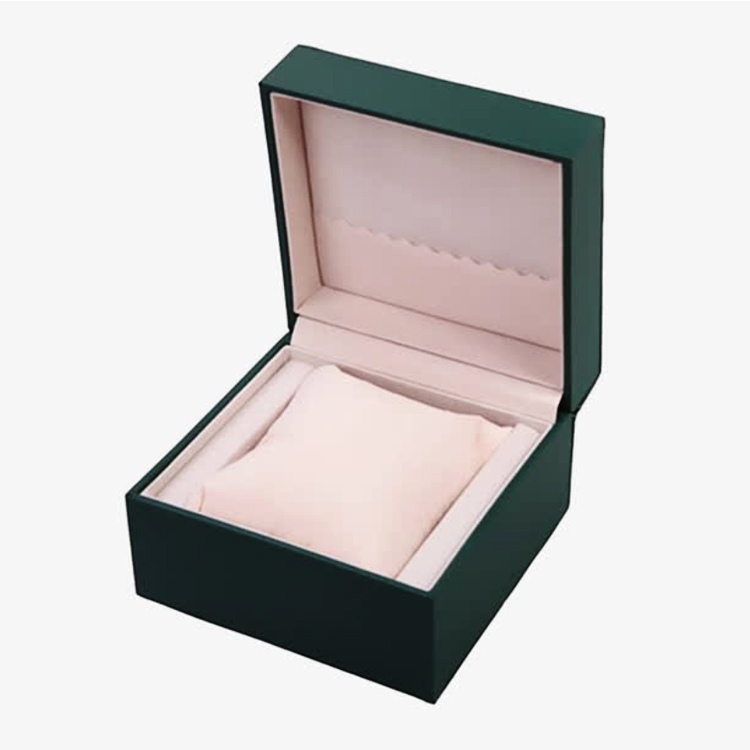
The manufacturing process starts with understanding what the packaging needs to accomplish.
Different jewelry products require different packaging structures.
A ring has different packaging requirements from a necklace. Earrings may require dedicated holes or slots, while bracelets may need longer internal spaces. Jewelry sets may require several compartments within a single presentation box.
A manufacturer normally needs information such as:
- Jewelry type
- Product dimensions
- Jewelry weight
- Number of pieces per box
- Preferred box dimensions
- Desired materials
- Brand colors
- Logo requirements
- Interior insert requirements
- Estimated order quantity
- Target price range
- Shipping destination
Providing accurate information at the beginning can help reduce design changes later.
For custom projects, photographs, product samples, technical drawings, or existing packaging samples can also help the manufacturer understand the requirements.
2. Developing the Jewelry Box Structure
Once the requirements are clear, the next step is structural development.
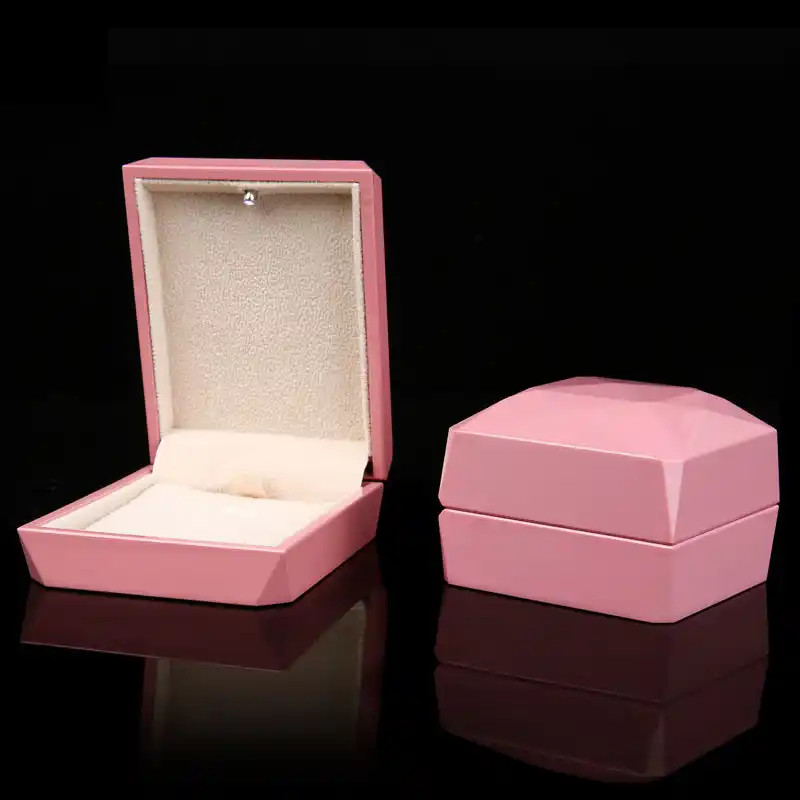
The structure determines how the box opens, closes, holds the jewelry, and protects the product.
There are many possible jewelry box structures, including hinged boxes, magnetic closure boxes, drawer-style boxes, folding boxes, book-style boxes, and other customized designs.
The appropriate structure depends on the product, target market, desired customer experience, budget, and manufacturing requirements.
For example, a luxury jewelry collection may benefit from a rigid magnetic box that creates a substantial opening experience. A lightweight retail packaging solution may use a folding structure that reduces storage and transportation volume.
The interior structure is developed at the same time.
The insert needs to hold the jewelry securely without damaging its surface. It should also allow customers to remove the jewelry easily.
Structural engineering is therefore an important part of the custom jewelry box manufacturing process.
3. Choosing the Right Materials
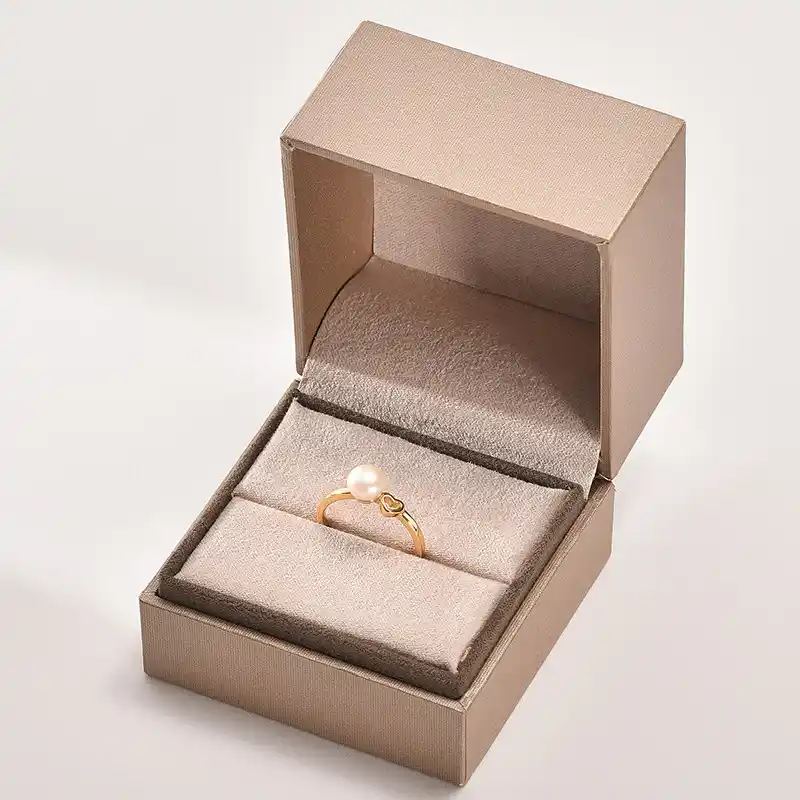
Material selection affects the appearance, durability, weight, cost, and overall perception of the packaging.
A jewelry box manufacturer may work with different combinations of paperboard, specialty paper, wood, bamboo, PU leather, velvet, microfiber, linen, and other materials.
Rigid cardboard is a common choice for structured premium packaging because it provides a strong base and supports a wide range of exterior finishes.
Wood and bamboo can provide a natural and substantial appearance.
PU leather can create a sophisticated look and can be used for different styles of jewelry cases.
Velvet and microfiber are frequently considered for jewelry box interiors because they provide a soft surface for delicate products.
Brands that have environmental requirements may also consider recycled paper or FSC-certified paperboard for suitable packaging projects.
Incepto Jewel offers material options including rigid cardboard, recycled paper, FSC-certified paperboard, solid wood, bamboo, velvet, microfiber, PU leather, linen, and acrylic components depending on the design and project requirements.
Material selection should always consider the complete packaging system rather than focusing on one component in isolation.
4. Creating the Exterior Design
The exterior of a jewelry box is an important part of brand presentation.
At this stage, the brand can determine the box color, texture, logo position, finishing method, closure style, and other visual details.
A minimalist jewelry brand may prefer a simple box with a small logo and subtle surface texture.
A luxury brand may choose premium paper wrapping, metallic foil, embossing, or other decorative details.
A fashion jewelry company may use stronger colors or distinctive graphics to create a more recognizable appearance.
The objective is to create packaging that is consistent with the jewelry and the brand’s target customer.
The box should not look disconnected from the product inside.
5. Adding Logo and Branding Details
Logo application is one of the most common requirements for custom jewelry boxes.
Different materials support different branding methods.
Hot foil stamping can create metallic logo effects and is often considered for premium packaging.
Embossing can create a raised logo with a tactile appearance.
Debossing produces an indented logo.
UV printing can be used for detailed graphics and color applications on suitable surfaces.
Silk screen printing can also provide clean branding on compatible materials.
The best method depends on the box material, logo artwork, desired appearance, production quantity, and budget.
Before mass production, the brand should confirm the exact logo size, position, color, and finishing method.
Small differences in logo placement can affect the overall appearance of a packaging collection, particularly when several box sizes are produced.
6. Designing the Interior Insert
The interior insert is one of the most functional parts of a jewelry box.
It needs to balance product protection and presentation.
A good insert should hold the jewelry securely while making it easy for the customer to view and remove the product.
Different jewelry categories may require different inserts.
Ring inserts typically use slots or cushions designed to hold rings vertically or horizontally.
Earring inserts may use dedicated holes or supports.
Necklace packaging may incorporate holders that prevent chains from moving or becoming tangled.
Bracelet packaging can use supports that maintain the position of the product.
For jewelry sets, the insert may include several dedicated areas so that every piece has a defined position.
Interior color and material can also influence the visual presentation of the jewelry.
7. Developing a Physical Sample
Sampling is a critical stage before mass production.
A digital drawing can show dimensions and appearance, but it cannot fully communicate the physical experience of the finished box.
A physical sample allows the brand to evaluate the actual structure, size, materials, texture, logo, color, interior fit, opening mechanism, and overall presentation.
This stage can reveal problems that may not be obvious in a digital design.
For example, the box may be slightly too large for the jewelry. The insert may need adjustment. The closure may be too tight or too loose. The selected material may not create the expected appearance.
Making these changes during sampling is generally much easier than correcting them after mass production has started.
For complex custom jewelry packaging, brands should carefully inspect and approve the sample before authorizing bulk production.
8. Confirming the Production Specifications
After the sample is approved, the manufacturer can finalize the production specifications.
These specifications may include:
- Box dimensions
- Material types
- Material thickness
- Exterior color
- Interior material
- Insert dimensions
- Logo artwork
- Logo position
- Printing method
- Surface finishing
- Closure mechanism
- Packaging method
- Order quantity
Having clear specifications is important because the same information can then be used for future repeat orders.
For jewelry brands that expect long-term production, maintaining consistent specifications can help ensure that packaging looks the same across different production batches.
9. Mass Production
Once all specifications are confirmed, the jewelry box enters mass production.
The exact production process depends on the structure and materials.
For rigid boxes, production may involve board cutting, forming, wrapping, pressing, surface finishing, logo application, insert preparation, and final assembly.
For wooden or bamboo jewelry boxes, additional cutting, sanding, coating, hardware installation, and finishing processes may be involved.
Fabric-covered boxes may require precise cutting and wrapping to achieve clean corners and consistent surfaces.
The production team must maintain the approved specifications throughout the manufacturing process.
For larger orders, production planning is particularly important because multiple processes may need to be coordinated.
10. Quality Control During Manufacturing
Quality control should not be treated as an afterthought.
A reliable jewelry box manufacturer should inspect materials and finished products at different stages of production.
Important quality points can include:
Material Quality
Materials should match the approved specifications in terms of type, thickness, texture, and appearance.
Structural Quality
The box should have accurate dimensions and a stable structure. Lids, drawers, hinges, and magnetic closures should operate correctly.
Logo Quality
The logo should be positioned consistently and should match the approved artwork, size, color, and finishing method.
Color Consistency
Large production runs should maintain consistent colors across the same packaging collection.
Interior Fit
Inserts should fit correctly inside the box and hold the intended jewelry securely.
Surface Finish
The exterior should be inspected for visible defects such as scratches, stains, wrinkles, uneven wrapping, or other production issues.
Final Assembly
Every component should be properly assembled before the finished box is packed.
A structured inspection process helps reduce the risk of receiving a large quantity of packaging that does not meet the approved sample.
11. Packaging and International Shipping
After production and inspection, finished jewelry boxes need to be packed appropriately for transportation.
Packaging methods depend on the box structure, materials, order quantity, and shipping method.
The manufacturer should consider how the boxes will be protected from impact, moisture, compression, and other transportation risks.
For international buyers, logistics planning is also an important part of the sourcing process.
The manufacturer may need to coordinate carton packing, shipping documentation, freight arrangements, and delivery requirements according to the destination market.
For large wholesale orders, efficient carton packing can also influence transportation costs and warehouse requirements.
12. Why Manufacturing Experience Matters
Custom jewelry packaging involves many details that are difficult to manage through product catalogs alone.
An experienced jewelry box manufacturer can help identify potential problems before production begins.
For example, a particular box structure may look attractive but be unnecessarily expensive to manufacture. A certain material may not be suitable for the required finishing process. An insert may look good but fail to hold the jewelry securely during transportation.
Manufacturing experience allows suppliers to recommend practical alternatives.
The goal should be to find the right balance between appearance, function, durability, production efficiency, and cost.
13. Supporting Different Jewelry Business Models
Jewelry box manufacturing is not limited to large jewelry companies.
Different types of businesses may require custom packaging.
Independent jewelry designers may need smaller production quantities for new collections.
Online jewelry brands may want branded packaging that strengthens their unboxing experience.
Retailers may require multiple box sizes for different product categories.
Wholesalers may need consistent packaging in larger quantities.
Private-label businesses may require packaging designed around their own brand identity.
Established jewelry companies may need ongoing production and repeat orders across multiple collections.
A flexible manufacturer can adapt the packaging program to different business requirements.
Incepto Jewel provides custom jewelry box manufacturing and supports OEM, private-label, wholesale, and bulk packaging projects. Its capabilities include custom designs, material selection, logo customization, sampling, production, quality inspection, and international order support.
14. How to Prepare Before Contacting a Jewelry Box Manufacturer
A well-prepared packaging brief can make communication much more efficient.
Before contacting a manufacturer, prepare as much information as possible about your project.
Start with the jewelry dimensions and product type.
Then determine your preferred box style, approximate quantity, materials, colors, logo, interior requirements, and target delivery date.
If you already have reference packaging or visual examples, provide them to the manufacturer.
It is also useful to explain the positioning of your jewelry brand. A manufacturer can better understand your requirements when it knows whether the packaging is intended for affordable fashion jewelry, premium gifts, luxury collections, corporate gifting, or another market.
The more specific the initial information, the easier it is to develop an appropriate solution.
15. Building a Long-Term Manufacturing Partnership
For a growing jewelry brand, packaging is rarely a one-time purchase.
New collections may require new box sizes and designs. Seasonal products may need limited-edition packaging. Successful products may require repeat orders.
For this reason, choosing a jewelry box manufacturer that can support long-term production can be more valuable than simply finding the lowest initial quotation.
A reliable manufacturing relationship should include consistent quality, clear communication, accurate production specifications, dependable lead times, and the ability to support future customization.
Over time, the manufacturer can become familiar with your brand standards, preferred materials, logo specifications, and packaging requirements.
This can make future projects faster and easier to manage.
Conclusion: Turning a Packaging Idea Into a Finished Jewelry Box
The jewelry box manufacturing process involves much more than producing a container.
It begins with understanding the jewelry and brand requirements, followed by structural design, material selection, exterior branding, interior development, sampling, specification confirmation, mass production, quality control, and final delivery.
Each stage affects the final result.
For jewelry businesses, choosing an experienced custom jewelry box manufacturer can help turn a packaging concept into a practical product that protects the jewelry and communicates the value of the brand.
Incepto Jewel offers custom jewelry box manufacturing solutions for jewelry brands, retailers, wholesalers, designers, and private-label businesses. With options for different materials, structures, branding techniques, inserts, and production requirements, businesses can develop packaging that is designed around their specific products and brand identity.
Whether you are preparing your first jewelry collection or managing packaging for an established international brand, a clear manufacturing process can make custom packaging more predictable and effective.
The best packaging starts with a clear idea, but it becomes a successful jewelry box through careful engineering, quality materials, precise production, and consistent attention to detail.
Get a Quote Now