Choosing the right jewelry box manufacturer is an important decision for any jewelry brand, retailer, wholesaler, or private-label business. A jewelry box is more than a container for a ring, necklace, bracelet, or pair of earrings. It protects the product, communicates your brand identity, and becomes part of the customer’s overall buying and unboxing experience.
For jewelry companies that are growing internationally, the right manufacturing partner can also make a major difference in product consistency, customization, production efficiency, and long-term supply stability.
If you are searching for a reliable jewelry box manufacturer, there are several factors worth evaluating before placing a bulk order. From materials and box construction to customization capabilities and quality control, every detail can affect the final result.
What Does a Jewelry Box Manufacturer Actually Do?
A professional jewelry box manufacturer is responsible for much more than simply producing boxes.
A complete manufacturing partner can help with structural design, material selection, sample development, branding, production, assembly, quality inspection, packaging, and international delivery. This type of one-stop service can simplify the sourcing process for jewelry businesses that do not want to coordinate multiple suppliers.
At Incepto Jewel, custom jewelry packaging can be developed for rings, earrings, necklaces, pendants, bracelets, bangles, watches, brooches, jewelry sets, and luxury collections. The company provides OEM, private-label, wholesale, and bulk manufacturing services for jewelry brands, retailers, wholesalers, designers, and gift companies.
This is particularly useful when a brand wants its packaging to match the design language of its jewelry collection instead of relying on standard packaging.
Why Custom Jewelry Boxes Matter
A standard jewelry box may be suitable for a basic retail product, but custom packaging gives a brand much more control over presentation.
The size, shape, color, opening mechanism, insert, surface texture, and logo placement can all be designed around a specific jewelry collection. For example, a delicate ring may require a compact box with a precise ring insert, while a necklace may need a larger interior with a secure holder to prevent movement and tangling.
Custom jewelry boxes can also create a consistent visual identity across an entire product line.
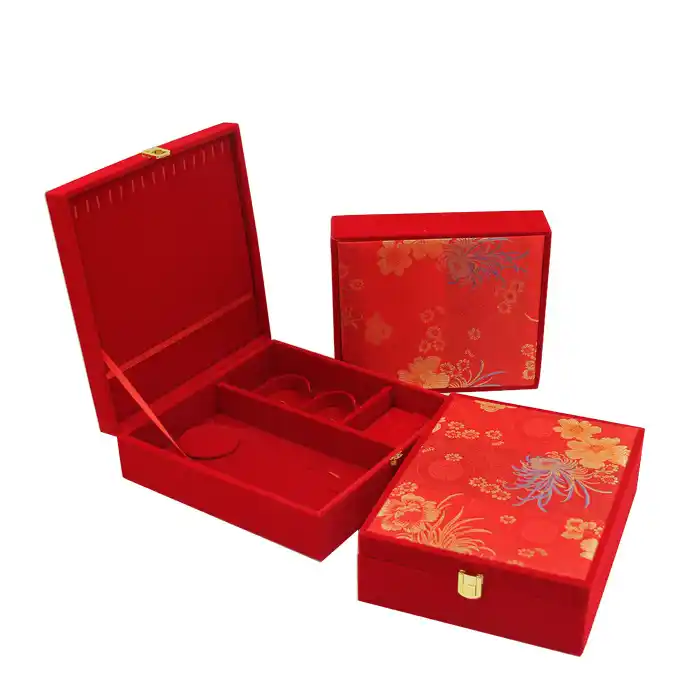
A luxury jewelry brand may choose a rigid box with a soft-touch finish, foil-stamped logo, and velvet interior. A contemporary fashion jewelry company may prefer textured paper, minimalist graphics, and a lightweight foldable structure. A premium gift collection may use a magnetic closure or drawer-style presentation box.
The goal is not simply to make the box attractive. The packaging should be appropriate for the jewelry, target market, retail environment, and customer experience.
Materials to Consider When Selecting a Jewelry Box
Material selection has a direct impact on appearance, durability, cost, and perceived product value.
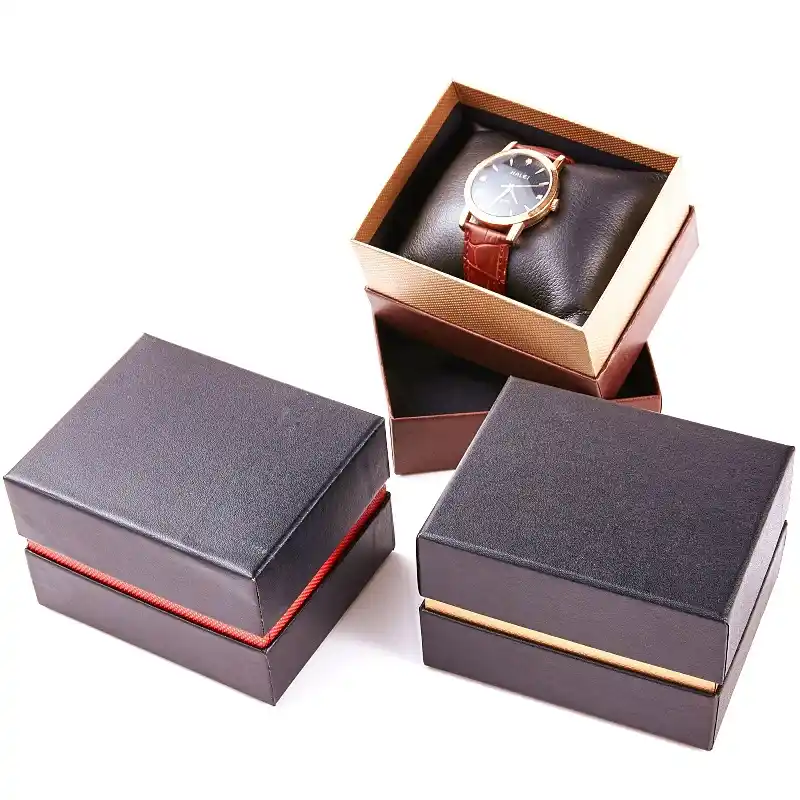
Common jewelry packaging materials include rigid paperboard, specialty paper, wood, bamboo, PU leather, velvet, microfiber, linen, and other fabric coverings. Different combinations can create very different visual and tactile experiences.
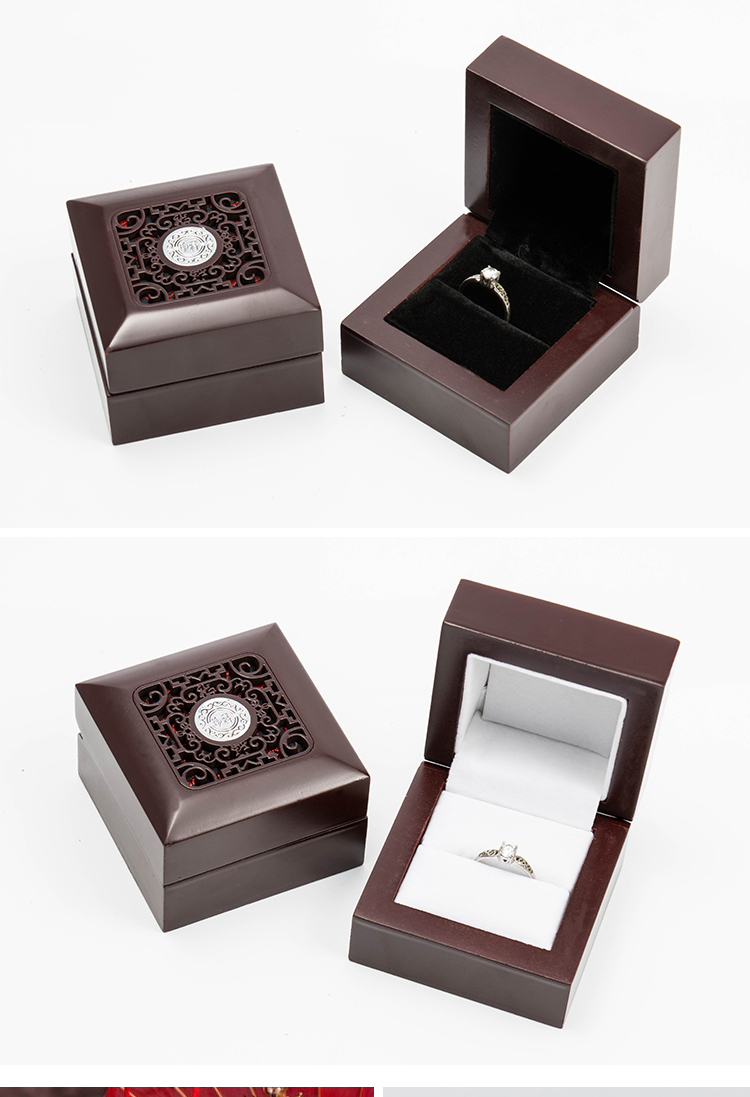
For example, a rigid paper box can provide a clean and premium appearance while remaining practical for retail and shipping. Wood can create a more substantial, traditional presentation and may be suitable for premium collections. PU leather can deliver a sophisticated appearance and is often used for luxury-style cases and travel jewelry boxes.
The interior is equally important. Velvet, microfiber, satin, and other soft materials can be used to create a protective surface for jewelry while improving the presentation when the box is opened.
Incepto Jewel offers a range of material options, including rigid cardboard, recycled paper, FSC-certified paperboard, solid wood, bamboo, velvet, microfiber, PU leather, linen, and acrylic components, depending on the packaging requirements.
Custom Logo and Brand Finishing
Branding is one of the most important reasons companies choose custom jewelry packaging.
A jewelry box can carry your logo, monogram, brand name, or other visual elements through techniques such as hot foil stamping, embossing, debossing, UV printing, silk screen printing, and custom color matching.
The best finishing method depends on the material, design, quantity, and desired appearance.
For example, foil stamping can create an elegant metallic logo on a premium presentation box. Embossing can give a logo a subtle three-dimensional effect. A simple printed logo may be a better choice for a modern brand that wants a clean and understated appearance.
Consistent branding across jewelry boxes, inserts, bags, cards, and other packaging components can help customers recognize your products and create a more cohesive brand experience.
OEM and Private Label Jewelry Box Manufacturing
For jewelry businesses with their own designs, OEM manufacturing can provide a practical way to turn packaging concepts into finished products.
A manufacturer may work from drawings, dimensions, reference samples, brand guidelines, or detailed specifications. The process can include structural engineering, CAD development, sample production, material sourcing, manufacturing, logo application, assembly, and inspection.
Private-label packaging offers another option for businesses that want exclusive branded packaging without developing every manufacturing capability internally.
This can be particularly useful for online jewelry brands, boutique retailers, wholesalers, and companies launching new collections.
A capable supplier should be able to maintain the same specifications across repeat orders so that packaging remains consistent as your business grows.
What Should You Ask a Jewelry Box Manufacturer?
Before choosing a supplier, it is helpful to ask several practical questions.
First, can the manufacturer produce the exact box structure and dimensions you need?
Second, what materials and interior inserts are available?
Third, what branding and finishing techniques can be provided?
Fourth, can the supplier create samples before mass production?
Fifth, what are the minimum order requirements and production lead times?
Sixth, how is quality inspected before shipment?
Finally, can the manufacturer support international shipping and documentation?
These questions can help you distinguish between a company that simply resells packaging and a manufacturer capable of managing a complete custom production project.
Quality Control Is Essential
A beautiful sample does not automatically guarantee a consistent bulk order.
For jewelry packaging, quality control should cover the material, dimensions, structure, surface finish, color consistency, logo quality, interior fit, assembly, and overall appearance.
A reliable manufacturer should have a defined inspection process before products are packed and shipped.
Incepto Jewel states that its quality control process includes material verification, structural inspection, surface finish evaluation, logo quality checks, color consistency, assembly inspection, and packaging durability testing. Depending on project requirements, documentation and certification support can also be arranged.
For international jewelry brands, this level of quality management can help reduce problems caused by inconsistent packaging during repeat production.
Low MOQ and Flexible Production
Minimum order quantity is another important consideration, especially for emerging jewelry brands.
Large established companies may require thousands of boxes, while a new jewelry business may want to test a collection before committing to a large inventory.
A manufacturer that supports flexible order quantities can make it easier to launch new products, test different packaging designs, or create seasonal collections without unnecessarily increasing inventory risk.
Incepto Jewel states that it supports businesses of different sizes through low MOQ options and provides custom packaging for both smaller businesses and larger production programs.
This flexibility can be particularly valuable for brands that are still testing their product-market fit or expanding into new markets.
Why Work Directly With a Jewelry Box Manufacturer?
Working directly with a manufacturer can simplify communication between the buyer and production team.
Instead of passing technical specifications through multiple intermediaries, brands can communicate their requirements directly regarding dimensions, materials, colors, inserts, finishes, packaging quantities, and delivery schedules.
A direct manufacturing relationship can also make it easier to develop packaging over the long term. Once the manufacturer understands your specifications and brand standards, future orders can become more streamlined.
For growing jewelry brands, this can turn packaging from a one-time purchasing decision into a reliable part of the supply chain.
Build Packaging That Reflects Your Jewelry Brand
The right jewelry box manufacturer should do more than produce attractive packaging. It should understand how structure, materials, branding, protection, production requirements, and customer experience work together.
Whether you need ring boxes, necklace boxes, earring packaging, bracelet boxes, watch cases, jewelry gift boxes, or a complete branded packaging collection, customization allows your packaging to reflect the value and personality of your products.
Incepto Jewel provides custom jewelry box manufacturing, OEM and private-label packaging, material selection, logo customization, bulk production, quality inspection, and international delivery support from one manufacturing partner.
If your jewelry business is looking for a long-term packaging partner, start by defining your product dimensions, target market, preferred materials, branding requirements, estimated quantity, and desired delivery schedule. A detailed brief will help the manufacturer recommend the most suitable structure and production solution.
The right jewelry box is not simply something that holds your jewelry. It is part of how customers see, feel, and remember your brand.
Get a Quote Now