
Topaz has long been admired for its exceptional brilliance, impressive hardness, and wide spectrum of colors. From classic sky blue and Swiss blue to the highly prized Imperial Topaz, this versatile gemstone has become a favorite choice for jewelry brands, wholesalers, and retailers around the world. Understanding the topaz manufacturing process is essential for businesses looking to source premium gemstone jewelry with consistent quality and craftsmanship.
At Incepto Jewel, we believe that excellent jewelry begins long before the gemstone reaches the display case. Every stage of topaz manufacturing—from gemstone selection to final polishing—plays a crucial role in creating jewelry that meets international quality standards and customer expectations.
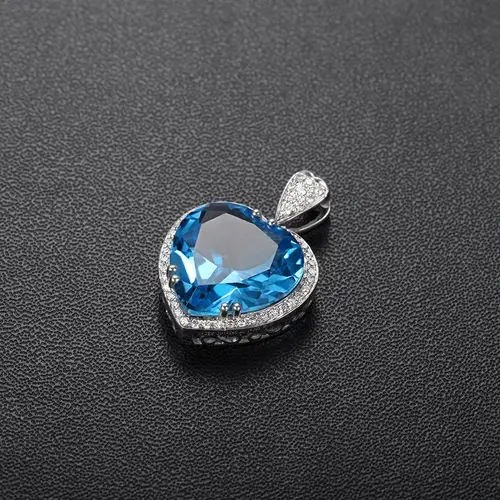
Understanding Topaz as a Jewelry Gemstone
Topaz is a silicate mineral known for its excellent transparency and remarkable hardness of 8 on the Mohs scale, making it one of the more durable gemstones used in fine jewelry. It is available in a wide range of colors, including blue, yellow, pink, white, champagne, and the rare Imperial Topaz. While colorless topaz occurs naturally, many blue varieties available in the jewelry market are produced through industry-accepted treatment processes that enhance their vibrant appearance.
Because of its durability, brilliant luster, and affordability compared with many precious gemstones, topaz is widely used in rings, necklaces, earrings, bracelets, pendants, and custom-designed jewelry collections.
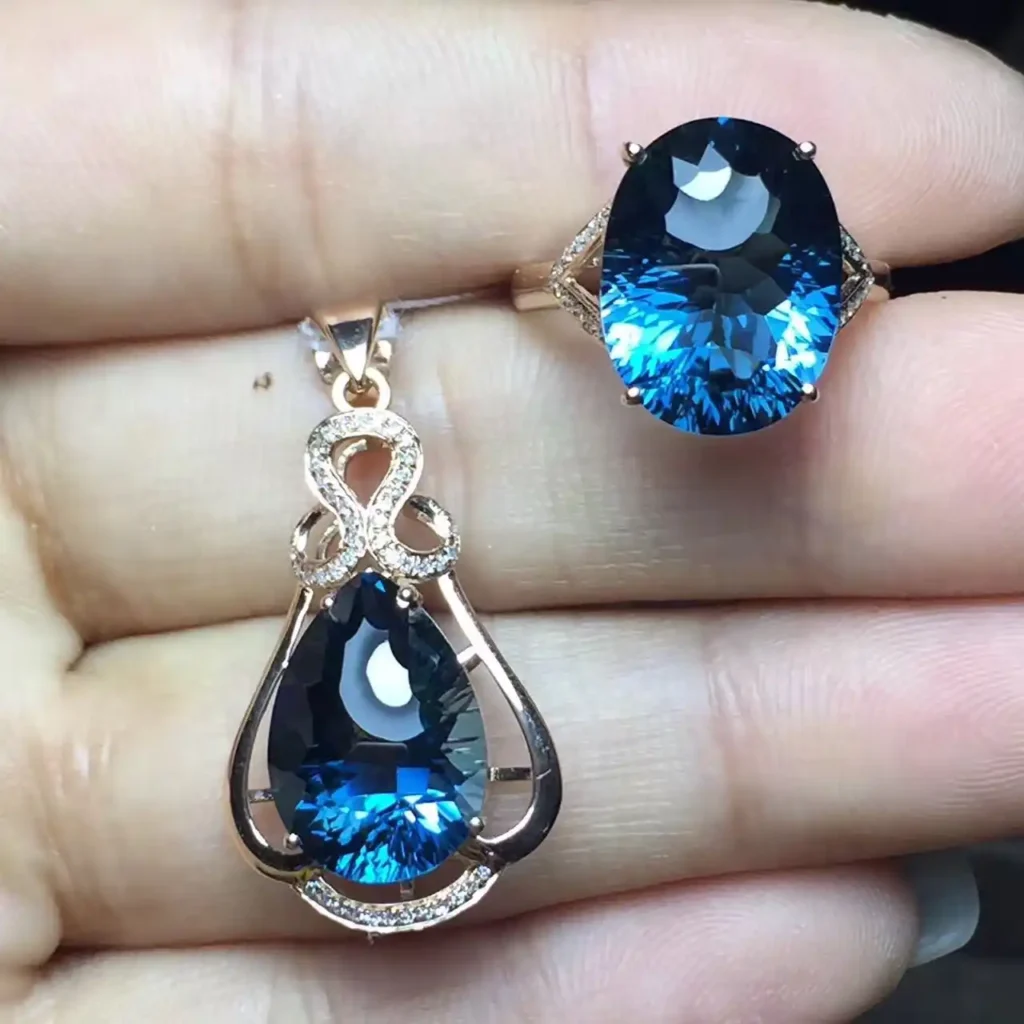
Step 1: Selecting High-Quality Topaz
Every successful manufacturing process begins with careful gemstone selection.
Professional manufacturers evaluate several important characteristics:
- Color consistency
- Transparency
- Clarity
- Cut potential
- Crystal stability
- Size availability
For jewelry brands producing matching collections, maintaining color consistency across multiple stones is particularly important. Experienced manufacturers carefully sort gemstones before production to ensure every piece within a collection presents a harmonious appearance.
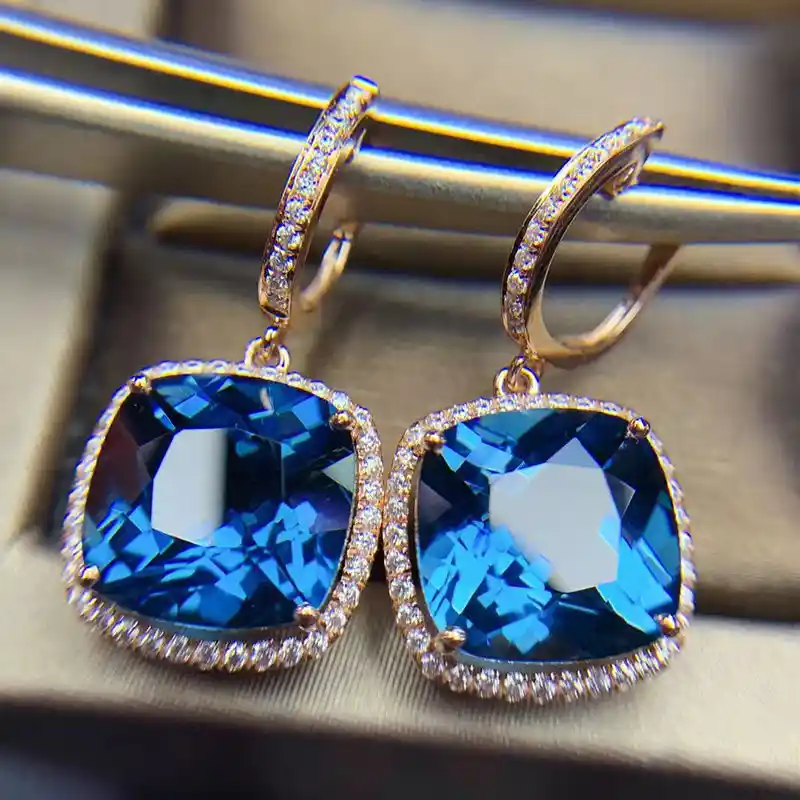
Step 2: Precision Gemstone Cutting
After rough topaz has been selected, skilled lapidaries transform the raw material into beautifully faceted gemstones.
Popular cutting styles include:
- Oval Cut
- Cushion Cut
- Emerald Cut
- Pear Cut
- Round Brilliant Cut
- Princess Cut
- Trillion Cut
Each cut is designed to maximize brilliance while preserving as much gemstone weight as possible. Precision cutting also ensures the stone fits standard jewelry settings accurately, reducing manufacturing time during assembly.
Modern gemstone cutting combines advanced machinery with experienced craftsmanship, allowing manufacturers to achieve excellent symmetry and consistent proportions.
Step 3: Quality Inspection Before Jewelry Production
Before gemstones enter jewelry production, they undergo multiple inspections.
Professional quality control teams check:
- Surface condition
- Facet symmetry
- Color uniformity
- Dimensions
- Potential inclusions
- Structural integrity
This inspection stage helps reduce production defects and ensures only qualified gemstones proceed to the jewelry workshop.
For large wholesale orders, consistent grading standards are especially important because retailers expect every piece to maintain the same appearance and quality.
Step 4: Jewelry Design and CAD Development
Modern topaz manufacturing relies heavily on digital design technology.
Most custom jewelry begins with Computer-Aided Design (CAD), allowing designers to create precise 3D models before production begins.
CAD offers several advantages:
- Accurate gemstone measurements
- Better structural balance
- Faster customer approval
- Reduced production errors
- Easier customization
Brands can review digital renderings before manufacturing starts, making modifications efficiently while reducing development costs.
Step 5: Casting the Jewelry Setting
Once the design is approved, manufacturers produce the metal setting using advanced casting techniques.
Common jewelry materials include:
- Sterling Silver 925
- 10K Gold
- 14K Gold
- 18K Gold
- Rose Gold
- White Gold
- Platinum
High-quality casting ensures smooth surfaces, accurate dimensions, and secure gemstone settings.
After casting, each piece undergoes trimming, polishing, and preparation before stone setting begins.
Step 6: Expert Stone Setting
Stone setting is one of the most important stages of topaz manufacturing.
Experienced setters carefully secure every gemstone while maintaining its brilliance.
Popular setting styles include:
- Prong Setting
- Bezel Setting
- Halo Setting
- Pavé Setting
- Channel Setting
- Tension-Inspired Setting
The choice of setting depends on both design aesthetics and functional durability.
Proper stone setting minimizes the risk of gemstone movement while allowing maximum light to enter the stone for enhanced sparkle.
Step 7: Polishing and Surface Finishing
Once assembly is complete, each jewelry piece undergoes extensive polishing.
Professional polishing creates:
- High-gloss metal surfaces
- Smooth edges
- Comfortable wear
- Enhanced visual appeal
Depending on customer requirements, additional finishes may include:
- Rhodium plating
- Matte finishing
- Antique finishing
- Brushed texture
- High-polish mirror finish
These finishing techniques help create diverse jewelry collections suitable for different markets.
Step 8: Final Quality Control
Reliable manufacturers never overlook final inspection.
Each finished jewelry piece is examined for:
- Secure stone setting
- Metal finish quality
- Surface scratches
- Accurate sizing
- Plating consistency
- Overall craftsmanship
Many manufacturers also perform random durability testing on production batches to ensure long-term product reliability.
Comprehensive quality control significantly reduces returns and increases customer satisfaction.
Why Manufacturers Choose Topaz
Topaz offers several commercial advantages for jewelry businesses:
Excellent Value
Topaz provides impressive brilliance at a more accessible price point than many precious gemstones, allowing brands to create elegant collections across multiple price ranges.
Wide Color Selection
From delicate Sky Blue to deep London Blue and rare Imperial Topaz, manufacturers can design collections that appeal to diverse customer preferences.
Strong Durability
With a hardness of 8, topaz performs well in everyday jewelry when properly designed and cared for, making it suitable for rings, earrings, pendants, and bracelets.
Excellent Customization Opportunities
Topaz pairs beautifully with diamonds, moissanite, cubic zirconia, pearls, and other colored gemstones, giving designers significant creative flexibility.
Choosing the Right Topaz Manufacturing Partner
Selecting the right manufacturing partner is just as important as choosing the gemstone itself.
A dependable jewelry manufacturer should provide:
- OEM & ODM services
- Experienced jewelry designers
- Strict quality control
- Flexible minimum order quantities
- Competitive wholesale pricing
- Reliable production timelines
- International shipping support
- Responsive customer communication
Working with an experienced manufacturer helps brands launch collections more efficiently while maintaining consistent product quality.
Partner with Incepto Jewel for Professional Topaz Manufacturing
At Incepto Jewel, we specialize in manufacturing premium gemstone jewelry for brands, wholesalers, distributors, and retailers worldwide. From initial concept development and CAD design to gemstone sourcing, precision manufacturing, quality inspection, and worldwide delivery, our team supports every stage of the production process.
Whether you are creating a new private-label jewelry collection or expanding your existing product line, our customized manufacturing solutions are designed to help your business deliver beautiful, durable, and market-ready topaz jewelry.
By combining skilled craftsmanship, modern manufacturing technology, and rigorous quality standards, Incepto Jewel transforms carefully selected topaz gemstones into timeless jewelry pieces that reflect both elegance and lasting value.
Get a Quote Now