
Launching or scaling a successful jewelry brand requires much more than just innovative designs and a strong marketing strategy; it demands flawless execution in production. When it comes to fine jewelry, specifically gold chains and pendants, the distinction between an amateur piece and a luxury commodity lies entirely in the manufacturing process. Partnering with a specialized gold jewelry necklaces manufacturer is arguably the most critical decision a brand owner, wholesaler, or independent designer will make.
At Incepto Jewel, we understand that every single link, clasp, and polished pendant represents your brand’s reputation in the eyes of the consumer. Whether your brand focuses on delicate minimalist chains for everyday wear, bold statement pieces, or intricate bespoke designs, understanding the global manufacturing landscape is essential for your business’s sustainable growth. This comprehensive guide explores everything you need to know about selecting, evaluating, and working with a top-tier factory to bring your gold necklace collections to life.
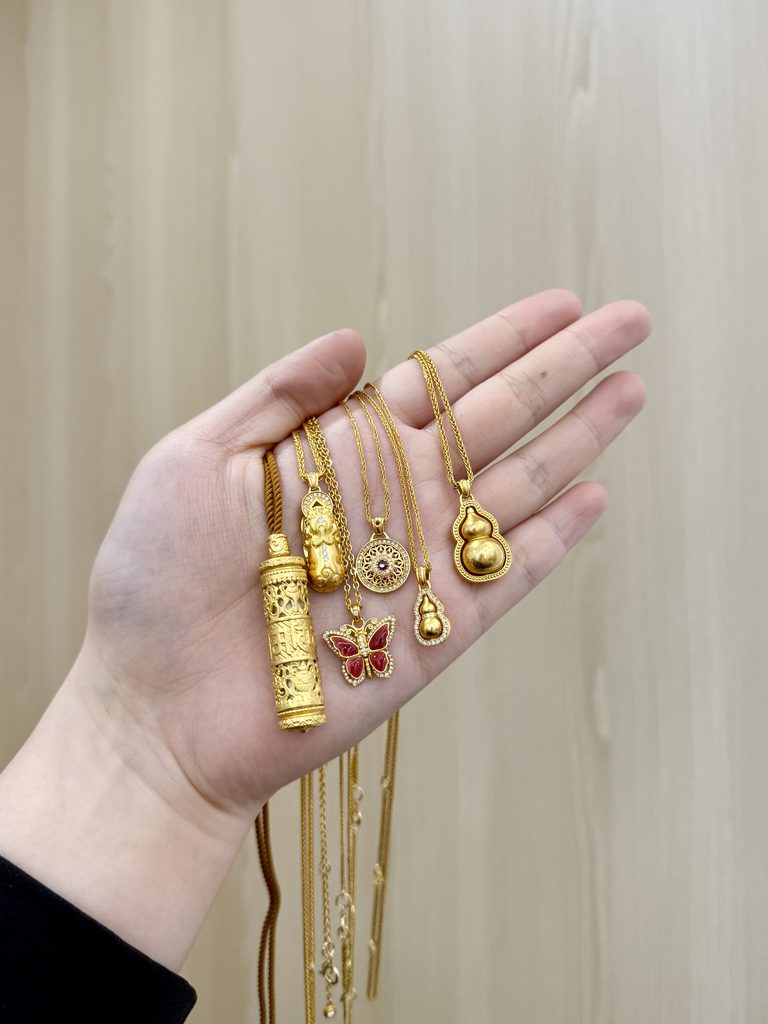
The Core Attributes of an Elite Jewelry Production Facility
What exactly elevates a standard factory to an elite gold jewelry necklaces manufacturer? The answer lies in a meticulous blend of traditional artisanship and cutting-edge technological integration.
First and foremost is metallurgical expertise. Gold in its purest form (24K) is notoriously soft and unsuitable for durable everyday wear. It necessitates precise alloying with other metals—such as silver, copper, zinc, or palladium—to create robust 14K, 18K, or 22K variations. A master manufacturer guarantees exact karat weight and consistent color matching across every single production run. This ensures that every batch of rose, white, or classic yellow gold perfectly aligns with your brand’s strict technical specifications.
Furthermore, superior manufacturers invest heavily in advanced infrastructure. Modern production requires state-of-the-art 3D CAD (Computer-Aided Design) software, high-resolution 3D printers for exact resin prototyping, and precision laser cutting tools. By combining these modern innovations with the seasoned, steady hands of master jewelers, a premier facility can produce necklaces that feature flawless symmetry, secure structural integrity, and a mirror-like finish that captivates end-consumers.
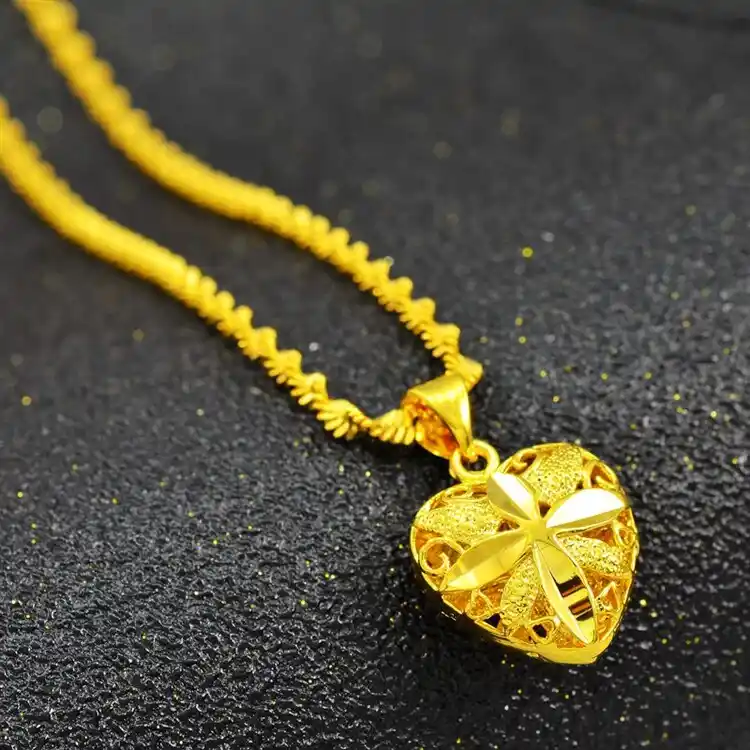
Understanding the Gold Necklace Production Process
To fully appreciate the value a dedicated manufacturing partner brings to your supply chain, it is vital to understand the intricate production process. The journey from a conceptual sketch to a final, wearable masterpiece involves multiple rigorous stages:
1. Design and Digital Prototyping
The process begins in the design studio. Here, your conceptual sketches are translated into highly detailed 3D CAD models. This digital blueprint allows for exact calculations of gold weight, structural balance, and dimensions. Once the digital model is approved, a resin model is 3D printed, providing a tangible physical prototype for final review before any precious metals are utilized.
2. Precision Casting and Chain Formation
For pendants and specialized structural components, the ancient but refined lost-wax casting method is employed. The resin models are encased in a plaster-like investment and heated to melt away the resin, leaving a perfect negative cavity. Molten gold is then poured into this mold in a highly controlled environment to prevent oxidation. For the chains themselves, specialized chain-making machinery weaves fine gold wire into various classic styles—such as cable, curb, rope, or herringbone—with microscopic precision and remarkable speed.
3. Assembly and Laser Soldering
After casting and chain weaving, highly skilled artisans meticulously assemble the disparate components. This critical stage involves laser welding or traditional micro-soldering to attach jump rings, lobster clasps, and pendants securely to the main chain. The heat must be expertly controlled to ensure permanent bonds without melting or compromising the surrounding delicate gold links.
4. Polishing and Surface Finishing
The fully assembled necklace then undergoes rigorous polishing. Starting from magnetic tumbling to remove rough edges, the piece moves to hand-buffing wheels utilizing specialized polishing rouges. The gold is treated to remove any microscopic casting textures, resulting in a high-gloss, matte, or brushed satin finish, depending entirely on your specific design requirements.
5. Rigorous Quality Assurance
The final and most crucial step in the manufacturing pipeline is strict quality control. Every single necklace is meticulously inspected under magnification. Technicians check for smooth clasp functionality, tensile link strength, surface flaws, and accurate, legally compliant karat stamping before the jewelry is cleared for packaging.
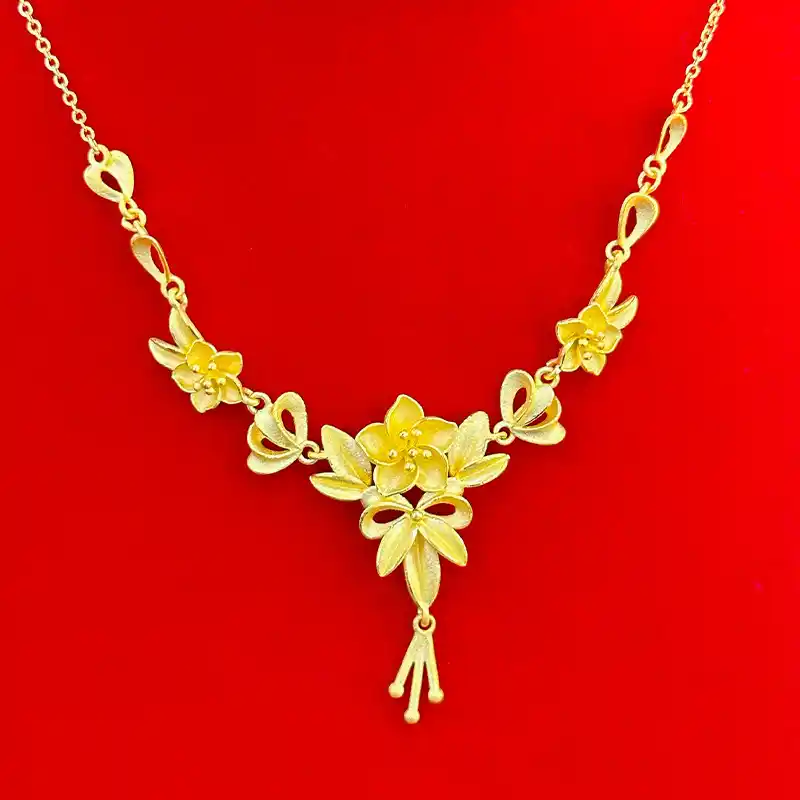
The Importance of Customization: OEM and ODM Services
In today’s highly competitive retail market, brand differentiation is the key to survival and expansion. A versatile gold jewelry necklaces manufacturer will offer comprehensive OEM (Original Equipment Manufacturer) and ODM (Original Design Manufacturer) services to accommodate different business models.
Whether you are providing exact technical drawings for a proprietary, one-of-a-kind design (OEM) or selecting and modifying existing trending styles from the manufacturer’s extensive catalog (ODM), flexibility is paramount. Partnering with a fully integrated facility like Incepto Jewel means you have access to a streamlined production line. This allows for extensive customization, including personalized logo engraving on tags, custom clasp designs, and bespoke packaging solutions. By leveraging professional private label manufacturing, brands can rapidly expand their product offerings and test new market trends without the staggering overhead costs of operating their own independent production facilities.
Ethical Sourcing and Global Compliance Standards
Modern luxury consumers demand transparency. They want absolute assurance that the fine jewelry they purchase does not come at an ethical or environmental cost. Consequently, leading manufacturers strictly adhere to global compliance standards regarding responsible material sourcing.
This commitment involves utilizing conflict-free gold that complies with stringent international trade regulations. Furthermore, many forward-thinking manufacturers now incorporate recycled gold into their production lines to drastically minimize environmental impact. By choosing a manufacturer committed to sustainable practices and ethical labor conditions, jewelry brands can confidently market their necklaces to a highly conscientious demographic, thereby building deeper consumer trust and long-term brand loyalty.
Conclusion
Navigating the complexities of fine jewelry production requires a reliable, transparent, and highly skilled partner. A professional gold jewelry necklaces manufacturer serves as the invisible backbone of your retail success, transforming raw precious metals into exquisite adornments that resonate deeply with your target audience.
From mastering metallurgical precision and leveraging advanced technology to ensuring ethical sourcing and rigorous quality control, the right factory elevates your product from ordinary to extraordinary. As you prepare to design and launch your next collection, prioritize a manufacturing partner who shares your unwavering commitment to excellence, customization, and sustainable growth. By making the right manufacturing choice today, you ensure that every gold necklace you deliver is a true reflection of your brand’s uncompromising standards.
