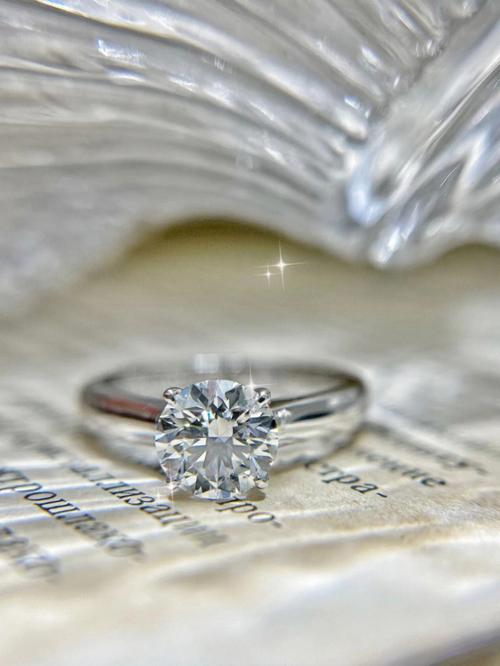
When a jewelry brand sells a diamond ring, customers usually see only the finished product. Behind that ring, however, there is a detailed manufacturing process involving design development, material selection, precision production, diamond setting, polishing, quality inspection, and packaging.
For jewelry brands, wholesalers, retailers, and private label businesses, understanding how a professional diamond ring manufacturer works can make the sourcing process much easier. It helps buyers ask better questions, evaluate suppliers more accurately, and understand which production stages have the greatest impact on the quality of the finished ring.
A reliable manufacturer should be able to take a design concept and transform it into a commercially viable product while maintaining consistent specifications throughout production. For custom jewelry businesses, the process may begin with a simple sketch or reference image. For established brands, it may start with a complete CAD file and detailed technical specifications.
From the first design discussion to final shipment, every stage contributes to the quality and consistency of the finished diamond ring.
What Happens Before a Diamond Ring Enters Production?
Manufacturing does not normally begin as soon as a buyer sends a picture of a ring.
A professional project starts with product development.
The manufacturer needs to understand the customer’s requirements, including:
- Ring design
- Ring size
- Metal type
- Metal purity
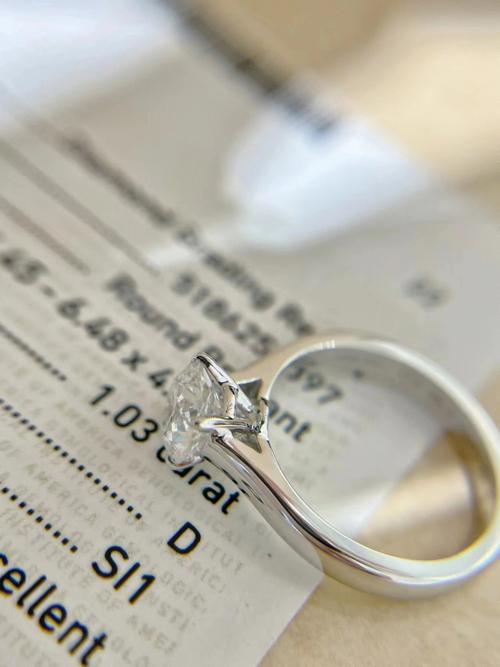
- Diamond type
- Diamond shape
- Diamond size
- Setting style
- Surface finish
- Engraving
- Order quantity
- Packaging requirements
This information forms the foundation of the production process.
For a custom jewelry brand, the manufacturer may also discuss the target retail market and expected price range. These factors can influence material selection and production methods.
For example, a minimalist 14K gold ring designed for everyday retail may require a very different production strategy from a high-end 18K gold engagement ring featuring a large center diamond.
Stage One: Jewelry Design and CAD Development
The first technical stage is often CAD design.
CAD, or computer-aided design, allows manufacturers to create a detailed three-dimensional model of the ring.
The model can define:
- Band dimensions
- Ring thickness
- Stone position
- Setting structure
- Prong dimensions
- Diamond spacing
- Overall proportions
For a custom diamond ring manufacturer, CAD is an important bridge between creative design and physical manufacturing.
A brand may provide a simple drawing, while the manufacturer turns it into a detailed production model.
The CAD stage also provides an opportunity to identify potential problems.
For example, the band may be too thin, the setting may need additional support, or the position of several diamonds may need to be adjusted.
Solving these issues digitally is generally easier than correcting them after bulk production has started.
Stage Two: Prototype and Sample Development
Once the CAD model has been approved, the manufacturer can create a prototype.
The sample is an important checkpoint between design and mass production.
A jewelry brand can inspect the physical ring and compare it with the original concept.
The buyer may evaluate:
- Overall appearance
- Ring proportions
- Band thickness
- Diamond placement
- Stone setting
- Comfort
- Surface finishing
- Weight
- Engraving
If the sample requires changes, the manufacturer can modify the design before proceeding to bulk production.
Incepto Jewel’s published manufacturing process includes CAD development, prototype production, sample review, and customer approval before mass production.
For B2B customers, this approval stage can significantly reduce the risk of manufacturing large quantities of an incorrect design.
Stage Three: Material Selection
The material used in a diamond ring influences its appearance, durability, weight, and cost.
Common materials include:
- 10K gold
- 14K gold
- 18K gold
- White gold
- Yellow gold
- Rose gold
- Sterling silver
A manufacturer with flexible material capabilities can help brands develop different versions of the same design.
For example, a jewelry company could launch one ring in 14K white gold for a mainstream collection and another version in 18K yellow gold for a premium collection.
Incepto Jewel lists 925 sterling silver, 10K, 14K, and 18K gold among its jewelry manufacturing materials.
The material should be confirmed before production because changes can affect the manufacturing process and final product specifications.
Stage Four: Selecting the Diamond
The center diamond is often the defining element of an engagement ring.
Before production, the buyer and manufacturer should confirm the stone specifications.
Important characteristics may include:
- Diamond origin
- Shape
- Carat weight
- Dimensions
- Color
- Clarity
- Cut
- Matching requirements for multiple stones
Popular diamond shapes include round, oval, cushion, emerald, princess, pear, marquise, radiant, and Asscher.
The shape of the stone affects the setting design.
For example, a ring designed for a round diamond may require a different prong configuration from a ring designed for an oval or emerald-cut diamond.
This is why diamond specifications should be confirmed before the final CAD model is approved.
Natural Diamonds and Lab-Grown Diamonds
Jewelry brands may choose between natural diamonds and lab-grown diamonds depending on their target market and product positioning.
Natural diamonds have long been associated with traditional fine jewelry and luxury engagement rings.
Lab-grown diamonds provide another option for businesses seeking different combinations of diamond size, product price, and customer preferences.
A manufacturer that can work with both types of diamonds can give brands more flexibility when developing collections.
Incepto Jewel lists both natural diamonds and lab-grown diamonds among the materials it can work with for jewelry manufacturing.
For brands offering multiple product tiers, this flexibility can make it easier to develop related designs for different customers.
Stage Five: Casting and Metal Production
After the design and materials are confirmed, physical production begins.
Depending on the product, the manufacturer may use casting, precision machining, forming, or other production techniques.
For many custom rings, the CAD model is used to create the structure needed for production.
The goal is to reproduce the approved design accurately while maintaining the required dimensions.
At this stage, attention to detail is important because small differences can affect the final ring.
For example, an incorrect band thickness can change the ring’s weight and appearance, while an inaccurate setting dimension can affect the fit of the diamond.
Stage Six: Polishing and Surface Finishing
After the main ring structure is produced, the surface needs to be finished.
Different jewelry brands may prefer different finishes.
Common options include:
- High polish
- Matte
- Satin
- Brushed
- Textured
- Mixed finishes
A high-polish engagement ring requires a smooth reflective surface, while a modern men’s diamond ring may combine polished and brushed sections.
Consistent finishing is particularly important for repeat orders because customers expect the same product to look the same every time they purchase it.
Stage Seven: Diamond Setting
Diamond setting is one of the most specialized stages of jewelry manufacturing.
The setter must position and secure the stones while maintaining the intended design.
Common setting methods include:
Prong Setting
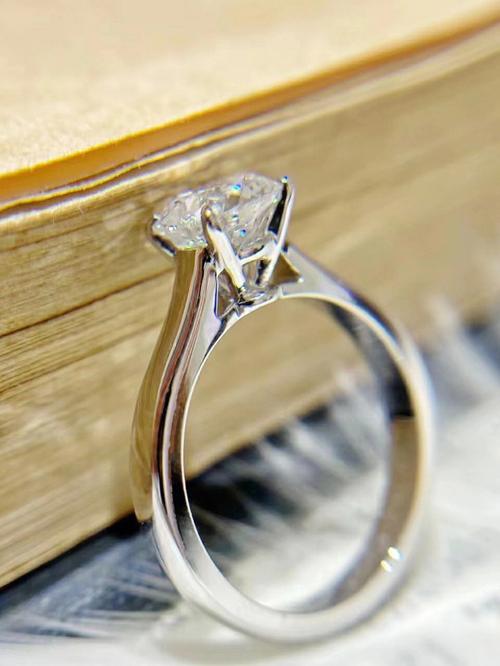
Prongs hold the center stone in place while leaving much of the diamond exposed.
This is widely used for solitaire engagement rings.
Pavé Setting
Small diamonds are set closely together along the surface of the ring.
This requires precise stone placement.
Halo Setting
Smaller diamonds surround a central stone.
The surrounding stones need to form a balanced arrangement.
Bezel Setting
The metal surrounds the edge of the stone.
This provides a distinctive appearance and can offer additional protection around the stone.
Channel Setting
Diamonds are positioned within a channel in the ring.
This technique is often used for wedding bands and side-stone designs.
An experienced diamond ring manufacturer should have skilled setters capable of handling the requirements of different setting styles.
Stage Eight: Engraving and Personalization
Personalization can add value to custom diamond rings.
Brands may request:
- Names
- Dates
- Initials
- Short messages
- Logos
- Brand symbols
Engraving can be performed on the inside or outside of the ring depending on the design.
For private label businesses, logo engraving can also help create a stronger connection between the finished product and the brand.
Because engraving is usually small and precise, quality control is important.
The final text should match the approved specification exactly.
Stage Nine: Quality Inspection
Quality inspection is one of the most important stages before a diamond ring reaches the customer.
A professional manufacturer may inspect several aspects of the finished product.
Dimensions
The ring should match the approved measurements.
Metal
The material should meet the agreed specifications.
Diamond Setting
The stones should be securely positioned.
Surface Finish
The ring should be free from unwanted scratches, marks, or uneven polishing.
Engraving
Personalized information should be accurate.
Overall Appearance
The completed product should match the approved sample.
Incepto Jewel describes quality control procedures covering raw materials, dimensions, stone security, surface finish, plating, final appearance, and packaging.
A strong quality-control system helps protect both the manufacturer and the jewelry brand.
Why Quality Consistency Matters for Wholesale Buyers
For a customer buying one ring, the quality of that individual product matters.
For a wholesaler ordering hundreds of rings, consistency becomes equally important.
Imagine a retailer receiving a bulk order of the same diamond ring.
If some pieces have slightly different proportions, finishing, or stone placement, the retailer may have difficulty presenting them as one consistent collection.
This is why wholesale buyers should evaluate not only the quality of one sample but also the manufacturer’s ability to reproduce that sample repeatedly.
An approved sample can serve as a reference point for future orders.
Stage Ten: Packaging
After quality inspection, the ring needs to be prepared for delivery.
Packaging should protect the product during transportation while also meeting the brand’s presentation requirements.
For private label businesses, packaging may include:
- Custom ring boxes
- Logo printing
- Embossing
- Foil stamping
- Branded pouches
- Product cards
- Jewelry care cards
- Gift packaging
Incepto Jewel provides custom jewelry box manufacturing services, covering packaging design, structural development, material sourcing, branding, assembly, quality inspection, and export logistics.
This can be useful for brands that want their jewelry and packaging to follow the same visual identity.
OEM Diamond Ring Manufacturing
OEM manufacturing is suitable for businesses that have their own designs or product requirements.
The jewelry brand owns the product concept while the manufacturer manages production.
An OEM project can involve:
- Custom CAD design
- Material selection
- Prototype development
- Diamond setting
- Production
- Engraving
- Quality control
- Packaging
This model allows brands to focus on sales and marketing without building their own production facility.
For a growing jewelry business, outsourcing manufacturing can also make it easier to expand product categories.
ODM Diamond Ring Manufacturing
ODM manufacturing is useful for brands that want to develop products with support from the manufacturer’s design team.
Instead of starting with a complete technical design, the brand may provide a general concept.
The manufacturer can then help develop the product.
For example, a brand might request:
A modern oval diamond engagement ring with a minimalist band and subtle side stones.
The manufacturer’s design team can develop possible concepts and convert the selected idea into a production-ready product.
This approach can save time for brands that have strong market knowledge but limited internal jewelry design resources.
Private Label Diamond Ring Manufacturing
Private label production allows jewelry companies to sell manufacturer-produced rings under their own brand.
The process may include custom designs and branded presentation.
A private label collection can include:
- Exclusive ring designs
- Logo engraving
- Custom packaging
- Branded boxes
- Product inserts
- Retail labels
- Gift packaging
For online jewelry businesses, this creates a more complete brand experience.
The customer sees the jewelry as part of one brand rather than as an unbranded factory product.
Flexible MOQ for Different Business Sizes
Not every jewelry company needs the same production volume.
A large wholesaler may place a significant order, while a startup may need a smaller quantity.
Flexible MOQ can make custom manufacturing accessible to a wider range of businesses.
A brand can begin with a small batch, evaluate customer demand, and increase production for successful designs.
Incepto Jewel highlights low MOQ and flexible manufacturing options as part of its B2B jewelry production service.
This can be particularly useful for businesses that are testing new engagement ring collections.
How a Manufacturer Helps With Product Expansion
Once a jewelry brand has a successful ring design, it can often develop related products.
For example, a successful solitaire engagement ring could become a broader collection with:
- Different center diamond shapes
- Different metal colors
- Matching wedding bands
- Diamond eternity bands
- Stackable rings
- Coordinated earrings
- Matching necklaces
A manufacturer that understands the original design can help develop these related products while maintaining a consistent style.
This creates a stronger product ecosystem around the original collection.
What Should Brands Ask a Diamond Ring Manufacturer?
Before starting a project, businesses should ask practical questions about the entire manufacturing process.
Can you develop CAD models from sketches or reference images?
Can you manufacture custom diamond rings?
Which metals do you work with?
Do you support natural and lab-grown diamonds?
What diamond shapes can you accommodate?
Can you produce samples before bulk orders?
What is your MOQ?
How do you inspect stone security?
How do you maintain consistency for repeat orders?
Can you provide private label packaging?
What documentation can you provide for international markets?
Can you support larger production quantities as the brand grows?
These questions help buyers evaluate the complete manufacturing capability rather than focusing only on price.
Why Choose an Experienced Manufacturing Partner?
Jewelry manufacturing involves many details that are difficult to manage through a purely transactional supplier relationship.
An experienced manufacturer can understand how design, materials, production, and finishing interact.
For example, if a brand wants a very thin diamond band, the manufacturer can evaluate whether the structure provides enough support for the intended design.
If a brand wants a large center stone, the manufacturer can adjust the setting accordingly.
If a brand wants to produce the same ring in multiple sizes and metals, the manufacturer can help standardize the production process.
This technical knowledge can save time and reduce unnecessary revisions.
Incepto Jewel as a Diamond Ring Manufacturing Partner
Incepto Jewel presents itself as a jewelry manufacturer serving brands, wholesalers, retailers, importers, distributors, and online businesses.
Its published services include OEM, ODM, private label, custom jewelry manufacturing, wholesale production, CAD design, prototype development, quality inspection, customized packaging, and worldwide shipping. The company also states that it has more than 10 years of manufacturing experience and more than 100 skilled workers.
For businesses developing custom diamond rings, these capabilities can support multiple stages of the product-development process.
Buyers can provide their design concept, material preferences, diamond requirements, target quantity, packaging specifications, and quality expectations before moving into sampling and production.
Final Thoughts
A finished diamond ring represents many stages of manufacturing work.
From the first CAD drawing to the final quality inspection, each stage affects the appearance, consistency, and commercial value of the product.
For jewelry brands, choosing the right diamond ring manufacturer means finding a partner that understands the complete process.
A capable manufacturer should be able to support custom design, CAD development, prototyping, material selection, diamond setting, polishing, engraving, quality inspection, packaging, and bulk production.
OEM and ODM services can help brands create original collections, while private label manufacturing can help businesses build a consistent branded experience.
For startups and growing jewelry companies, flexible MOQ can make it easier to test products before scaling successful designs. For established wholesalers and retailers, consistent repeat production can help maintain stable inventory and customer expectations.
Ultimately, the best manufacturing partnership is based on clear specifications, professional communication, careful sample approval, consistent quality control, and reliable production.
For businesses looking for a diamond ring manufacturer to develop custom engagement rings, wholesale jewelry, OEM products, or private label collections, Incepto Jewel provides a range of manufacturing services designed to support jewelry businesses from initial concept through finished production and delivery.
