
Bracelets are one of the most popular jewelry accessories in the world. They are worn as fashion statements, meaningful gifts, symbols of friendship, and timeless pieces that complement both casual and formal outfits. Behind every beautifully crafted bracelet is a carefully managed production process that combines creative design, precision engineering, skilled craftsmanship, and strict quality control.
For jewelry brands, wholesalers, retailers, and private label businesses, understanding how bracelets are manufactured can help when choosing the right bracelet manufacturer. A professional manufacturing partner not only produces high-quality jewelry but also helps transform ideas into market-ready products that reflect your brand’s identity.
In this guide, we’ll walk through the complete bracelet manufacturing process, from the first design sketch to the final packaged product.
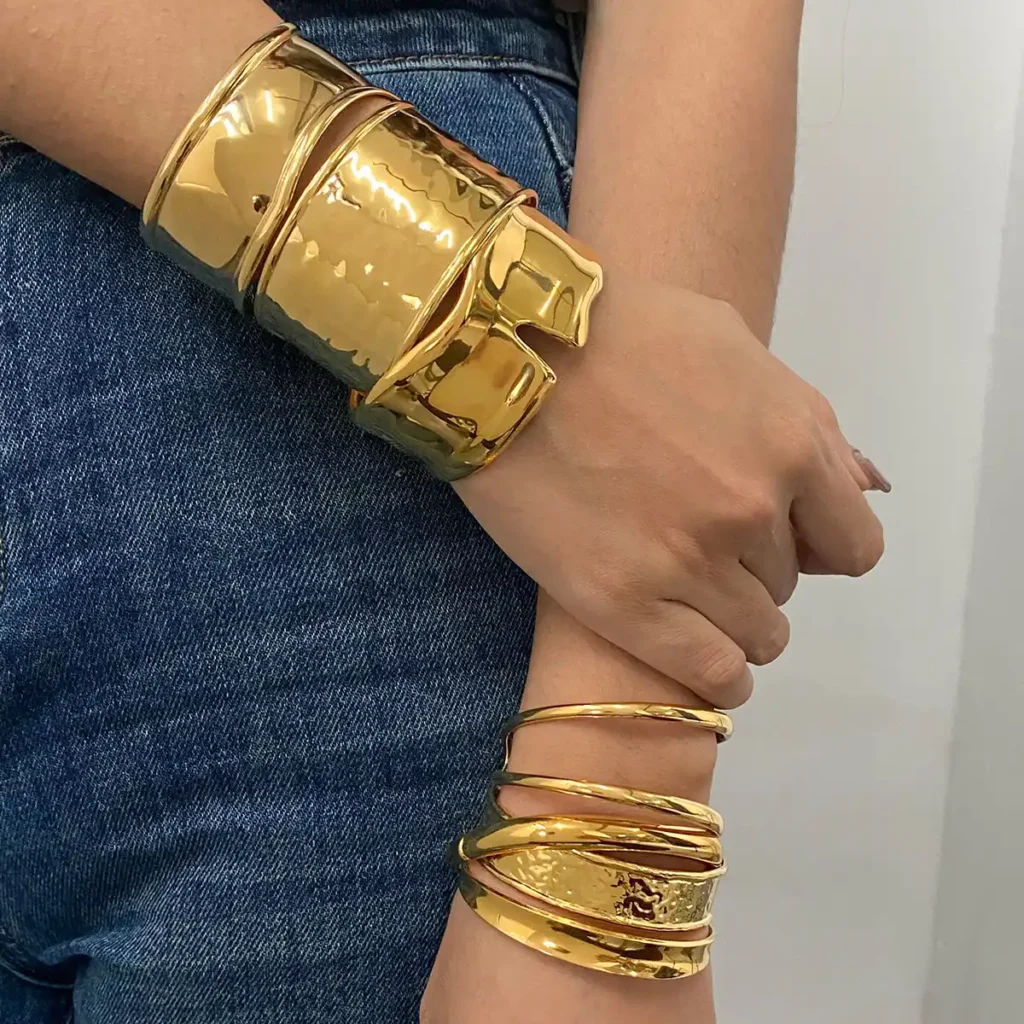
Step 1: Turning Ideas into Bracelet Designs
Every successful bracelet begins with a concept. Some designs are inspired by current fashion trends, while others are created to celebrate special occasions or target specific customer groups.
At this stage, designers work closely with customers to define key details such as:
- Bracelet style
- Target market
- Material selection
- Crystal or gemstone options
- Color combinations
- Surface finishes
- Budget requirements
- Brand identity
Whether the goal is to create elegant sterling silver bracelets or trendy fashion accessories, careful planning helps ensure the final product meets customer expectations.
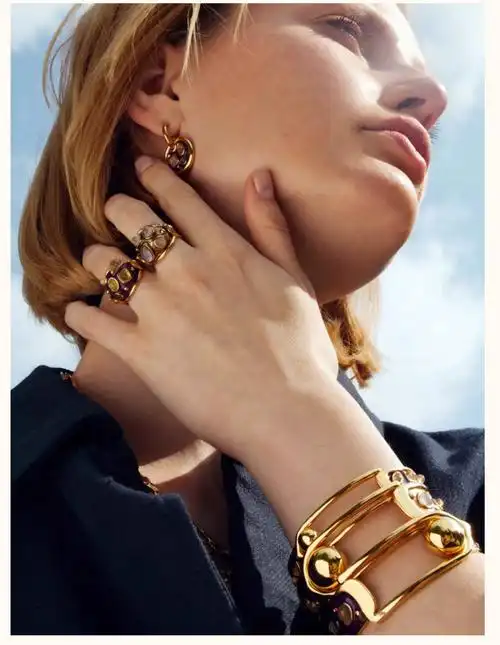
Step 2: CAD Design and 3D Modeling
Once the design concept is approved, it is converted into a digital model using Computer-Aided Design (CAD) software.
CAD technology allows manufacturers to create highly accurate technical drawings that include:
- Bracelet dimensions
- Chain thickness
- Stone placement
- Clasp mechanism
- Connection points
- Weight estimates
The 3D model provides a realistic preview of the bracelet before production begins. Clients can review the design, suggest modifications, and confirm every detail before investing in tooling or mass production.
This stage reduces development costs and minimizes manufacturing errors.
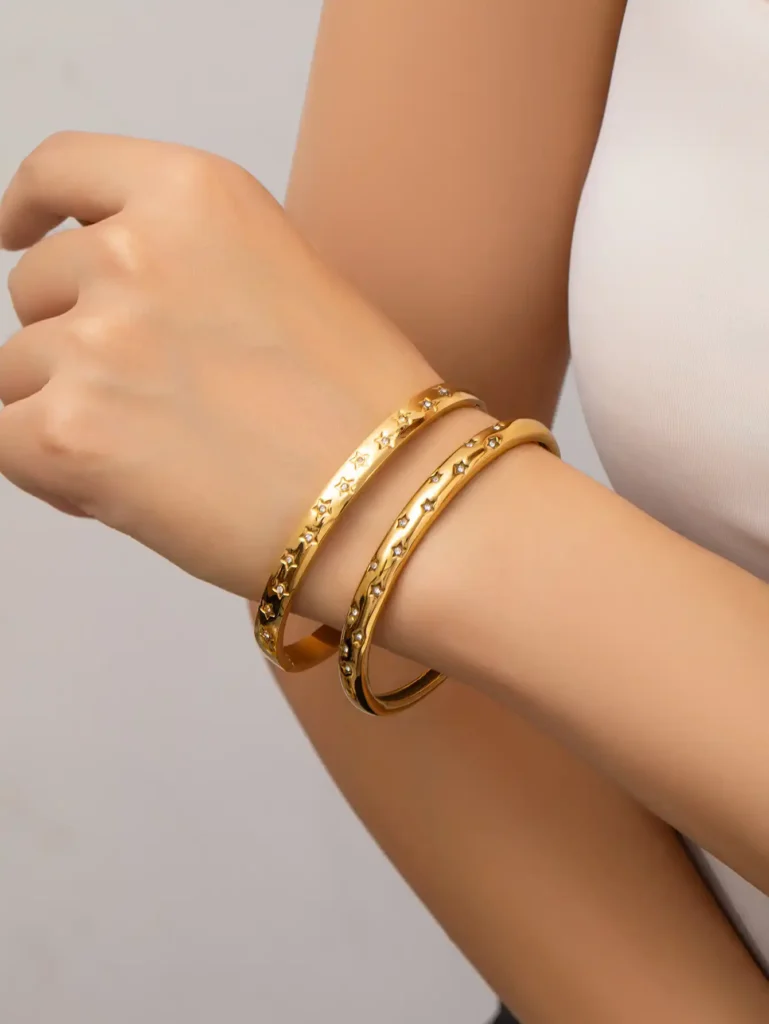
Step 3: Prototype Development
Before producing large quantities, a professional bracelet manufacturer creates a prototype or sample.
The prototype serves several purposes:
- Verify design accuracy
- Evaluate comfort and fit
- Test structural strength
- Confirm material selection
- Review overall appearance
Customers can inspect the sample and request adjustments before approving mass production.
This step is especially valuable for custom jewelry collections and private label projects.
Step 4: Selecting High-Quality Materials
Material selection has a direct impact on both product quality and customer satisfaction.
Professional manufacturers source materials that meet international quality standards while matching the desired price point.
Common Metal Options
Depending on the bracelet design, manufacturers may use:
- Sterling Silver (925)
- Stainless Steel
- Brass
- Copper
- 10K Gold
- 14K Gold
- 18K Gold
Each material offers different advantages in terms of durability, appearance, and cost.
Decorative Elements
Bracelets may also incorporate:
- Crystal stones
- Cubic zirconia
- Natural gemstones
- Freshwater pearls
- Enamel
- Leather
- Resin
- Charms
Selecting the right combination of materials helps create products that appeal to specific customer segments.
Step 5: Mold Making and Casting
For metal bracelets with intricate designs, manufacturers create precision molds based on the approved CAD model.
One of the most common production methods is lost wax casting, which enables manufacturers to produce highly detailed jewelry components with excellent consistency.
The casting process generally includes:
- Creating a wax model
- Building an investment mold
- Melting away the wax
- Pouring molten metal into the mold
- Cooling and removing the cast component
This method ensures that even complex bracelet designs can be reproduced accurately during mass production.
Step 6: Assembly and Component Production
Many bracelets consist of multiple components that must be assembled with precision.
Depending on the design, manufacturers may assemble:
- Chains
- Clasps
- Decorative charms
- Connectors
- Adjustable links
- Gemstone settings
Each connection point is carefully inspected to ensure durability during daily wear.
Strong assembly techniques improve product longevity and reduce the risk of damage after purchase.
Step 7: Stone Setting
For bracelets featuring crystals or gemstones, stone setting is one of the most critical production stages.
Experienced craftsmen use specialized tools to secure each stone while maximizing its brilliance.
Popular setting methods include:
- Prong setting
- Bezel setting
- Pavé setting
- Channel setting
- Flush setting
Accurate stone placement enhances the bracelet’s appearance while ensuring long-term durability.
Step 8: Polishing and Surface Finishing
After assembly, every bracelet undergoes several polishing processes.
These processes remove minor imperfections and create smooth, attractive surfaces.
Manufacturers can produce different finishes, including:
- Mirror polish
- Matte finish
- Satin finish
- Brushed texture
- Vintage finish
The chosen finish contributes significantly to the bracelet’s final style and overall value.
Step 9: Electroplating
Many fashion bracelets receive protective plating to improve both appearance and durability.
Popular plating options include:
- Rhodium plating
- 18K gold plating
- Rose gold plating
- Black rhodium plating
High-quality electroplating provides:
- Better corrosion resistance
- Enhanced color consistency
- Increased scratch resistance
- Longer product lifespan
Reliable manufacturers carefully control plating thickness to achieve consistent results across production batches.
Step 10: Quality Control Throughout Production
Quality control should never be limited to the final inspection.
Professional bracelet manufacturers inspect products at every stage of production.
Typical quality inspections include:
Raw Material Inspection
Metals, crystals, gemstones, and other materials are checked before production begins.
Production Inspection
Manufacturing teams monitor:
- Casting quality
- Assembly precision
- Stone security
- Surface smoothness
- Dimensional accuracy
Final Product Inspection
Before shipment, every bracelet is evaluated for:
- Appearance
- Clasp performance
- Surface finish
- Stone stability
- Logo accuracy
- Packaging quality
This comprehensive inspection process helps maintain consistent product quality while reducing returns and customer complaints.
Step 11: Custom Branding and Packaging
Today’s consumers expect attractive packaging in addition to beautiful jewelry.
Many bracelet manufacturers provide private label packaging services such as:
- Custom jewelry boxes
- Velvet pouches
- Gift bags
- Care instruction cards
- Product tags
- Branded labels
- Logo engraving
Customized packaging strengthens brand recognition while improving the overall customer experience.
Step 12: International Shipping and Delivery
After passing final inspection, bracelets are carefully packed for transportation.
Professional manufacturers prepare export documentation and coordinate international shipping through trusted logistics partners.
Proper packaging protects jewelry during transit and helps ensure products arrive in excellent condition.
Why Experience Matters When Choosing a Bracelet Manufacturer
Bracelet manufacturing requires much more than production equipment. It requires skilled designers, experienced technicians, quality control specialists, and efficient project management.
An experienced bracelet manufacturer can help businesses:
- Reduce production risks
- Improve product consistency
- Shorten development time
- Meet delivery schedules
- Maintain stable quality
- Support product innovation
For growing jewelry brands, choosing the right manufacturing partner creates a solid foundation for long-term success.
Why Businesses Partner with Incepto Jewel
At Incepto Jewel, we specialize in manufacturing custom bracelets for jewelry brands, wholesalers, distributors, and retailers worldwide. Our comprehensive manufacturing services cover every stage of production, from concept development and CAD design to sampling, mass production, quality inspection, and international delivery.
We offer flexible OEM, ODM, and private label solutions that allow businesses to create collections tailored to their target markets. Whether you are developing sterling silver bracelets, stainless steel designs, crystal bracelets, charm bracelets, or fashion accessories, our experienced team is committed to delivering consistent quality and dependable service.
By combining advanced production technology with skilled craftsmanship, we help our partners bring distinctive bracelet collections to market efficiently and confidently.
Conclusion
Understanding how bracelets are manufactured gives jewelry businesses valuable insight into the importance of selecting the right production partner. Every stage—from design and prototyping to casting, polishing, quality control, and packaging—contributes to the finished product’s appearance, durability, and value.
Working with an experienced bracelet manufacturer ensures that every bracelet reflects your brand’s standards while meeting the expectations of today’s consumers. As the jewelry industry continues to evolve, investing in a reliable manufacturing partnership is one of the best ways to build a successful and sustainable business.
Get a Quote Now