Choosing the right diamond ring manufacturer is one of the most important decisions for jewelry brands, wholesalers, retailers, and online jewelry businesses. A reliable manufacturing partner can help you control product quality, improve profit margins, develop exclusive designs, and build a stable supply chain. On the other hand, choosing a manufacturer based only on price can lead to inconsistent quality, production delays, communication problems, and dissatisfied customers.
For businesses looking to develop a successful diamond ring collection, the ideal manufacturer should provide more than finished products. A professional manufacturing partner should be able to support design development, material selection, diamond setting, customization, quality inspection, packaging, and international delivery.
This guide explains what to look for when selecting a diamond ring manufacturer and how a professional factory can help your jewelry business grow.
What Does a Diamond Ring Manufacturer Do?
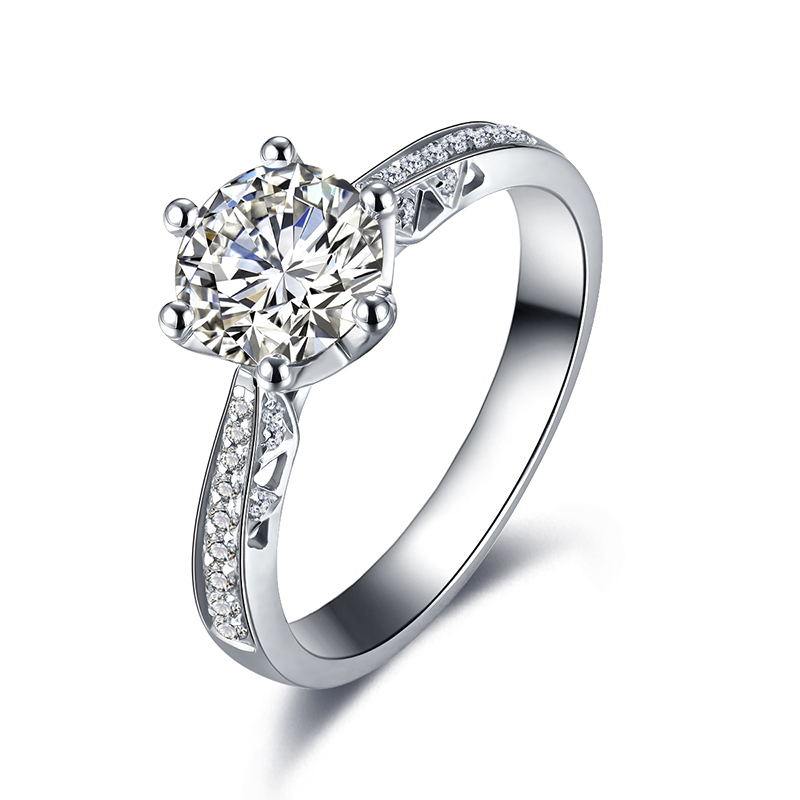
A diamond ring manufacturer is a specialized jewelry production company that designs, develops, and manufactures diamond rings for brands, retailers, wholesalers, distributors, and private label businesses.
Unlike a traditional jewelry retailer, a manufacturer works behind the scenes to turn product concepts into finished jewelry. Depending on the factory’s capabilities, services may include CAD design, prototype development, metal casting, diamond sourcing, stone setting, polishing, engraving, quality inspection, packaging, and bulk production.
For businesses, working directly with a diamond ring factory can provide several advantages. It can simplify communication, reduce unnecessary supply-chain costs, improve production control, and make it easier to create customized products.
A manufacturer may also support different business models, including:
- OEM diamond ring manufacturing
- ODM jewelry development
- Private label diamond rings
- Wholesale diamond rings
- Custom engagement rings
- Custom wedding rings
- Personalized diamond jewelry
- Bulk diamond ring production
The right solution depends on your business model, target customers, budget, order quantity, and product positioning.
Why Work Directly With a Diamond Ring Manufacturer?
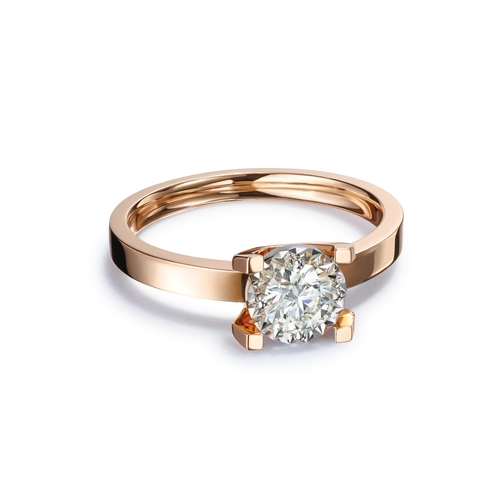
For many jewelry businesses, purchasing directly from a manufacturer offers advantages over relying entirely on trading companies or multiple intermediaries.
The first advantage is better control over product specifications. When you communicate directly with the factory, you can discuss the exact metal, diamond specifications, ring dimensions, stone setting, finishing, engraving, packaging, and other details.
The second advantage is customization.
A jewelry brand may have its own design language and customer expectations. Selling generic products can make it difficult to establish a recognizable brand identity. With a custom diamond ring manufacturer, businesses can develop exclusive designs that are aligned with their brand.
The third advantage is scalability.
A small jewelry brand may begin with a limited collection and later increase production as sales grow. A manufacturing partner that supports both smaller orders and larger production runs can make this transition easier.
Incepto Jewel, for example, positions its manufacturing services around OEM, Private Label, customization, flexible MOQ, and factory-direct production. Its existing manufacturing services cover different jewelry categories and materials, including natural diamonds and lab-grown diamonds.
What Should You Look for in a Diamond Ring Manufacturer?
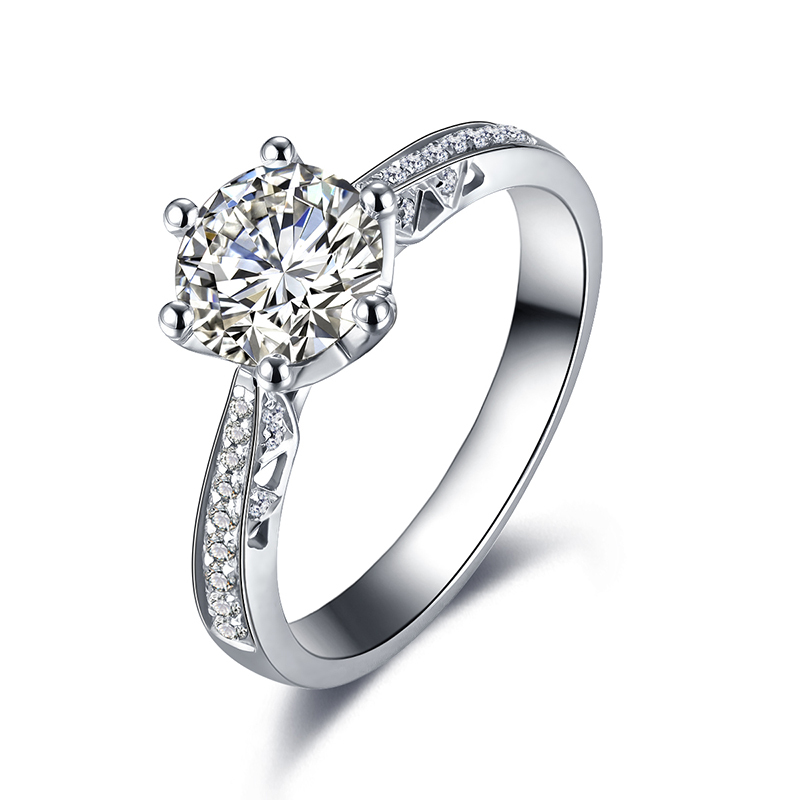
Not every jewelry manufacturer offers the same level of service. Before placing an order, buyers should evaluate several important factors.
1. Manufacturing Experience
Experience matters because diamond rings require precision at multiple stages of production.
The ring setting must hold the diamond securely, the dimensions need to match the approved design, and the finishing must meet the expected quality level.
An experienced manufacturer should have established processes for CAD development, casting, stone setting, polishing, inspection, and packaging.
It is also useful to ask whether the factory has experience producing similar products for international jewelry businesses.
2. Custom Design Capability
If your goal is to build your own jewelry collection, customization should be a major consideration.
A capable custom diamond ring manufacturer should be able to work from:
- Sketches
- Reference images
- Technical drawings
- CAD files
- Existing jewelry samples
- Product concepts
The manufacturer can then help convert the concept into a production-ready design.
For example, an engagement ring may require adjustments to the setting structure, band thickness, prong configuration, stone dimensions, or overall proportions before it can enter mass production.
Professional CAD development helps identify these issues before manufacturing begins.
3. Material Options
A good diamond ring manufacturer should offer a variety of material options so that businesses can develop collections for different price points.
Common choices include:
- 10K gold
- 14K gold
- 18K gold
- White gold
- Yellow gold
- Rose gold
- Sterling silver
- Natural diamonds
- Lab-grown diamonds
- Moissanite
- Other gemstones
Material flexibility is particularly important for brands that serve different customer segments.
A premium collection may focus on 18K gold and natural diamonds, while a more accessible collection may use 14K gold with lab-grown diamonds.
4. Diamond Selection and Stone Setting
The quality of the diamond is only one part of a finished ring. The quality of the setting is equally important.
A diamond ring manufacturer should have skilled stone setters who understand how to position and secure diamonds correctly.
Common setting styles include:
- Prong setting
- Pavé setting
- Channel setting
- Bezel setting
- Halo setting
- Tension-style designs
- Three-stone settings
Each style has different manufacturing requirements.
For example, pavé diamond rings require precise spacing between multiple small stones, while a solitaire engagement ring places greater visual emphasis on the center stone and its setting.
A professional factory should inspect stone security before the finished product is packaged and shipped.
OEM Diamond Ring Manufacturing for Jewelry Brands
OEM manufacturing is a practical solution for jewelry businesses that already have their own designs or product specifications.
With an OEM diamond ring manufacturer, the brand provides the design requirements while the factory handles production.
The process can include:
- Design consultation
- CAD drawing
- Design confirmation
- Prototype production
- Material confirmation
- Diamond or gemstone selection
- Casting and forming
- Stone setting
- Polishing and finishing
- Quality inspection
- Packaging
- International shipment
This model allows jewelry brands to focus on marketing, sales, customer relationships, and brand development while relying on an experienced production partner for manufacturing.
For companies launching a new collection, OEM production can also reduce the need to invest in their own manufacturing equipment and production workforce.
Private Label Diamond Ring Manufacturing
Private label is another popular option for jewelry businesses.
A private label diamond jewelry manufacturer allows a company to sell professionally manufactured rings under its own brand name.
The service can extend beyond the ring itself. Depending on the project, private label support may include:
- Custom logo engraving
- Branded jewelry boxes
- Custom packaging
- Product labels
- Jewelry care cards
- Gift bags
- Product inserts
This creates a more consistent customer experience.
Packaging is particularly important for engagement rings and wedding jewelry because customers often associate presentation quality with product value. A professional jewelry packaging manufacturer can also help brands create customized boxes and retail-ready presentation.
Wholesale Diamond Rings: What Buyers Should Consider
Wholesale buyers need to evaluate more than the unit price.
A low price may look attractive initially, but inconsistent quality or unreliable delivery can create much higher costs later.
When sourcing wholesale diamond rings, buyers should consider:
- Minimum order quantity
- Production capacity
- Sampling process
- Material consistency
- Diamond quality
- Stone-setting quality
- Quality inspection
- Packaging options
- Production lead time
- Communication
- Shipping support
- Customization capability
A reliable wholesale diamond ring supplier should be able to provide consistent products across repeated orders.
This is particularly important for retailers that need to replenish popular styles regularly.
How Quality Control Affects Diamond Ring Manufacturing
Quality control is one of the most important parts of jewelry manufacturing.
A professional factory should inspect the ring at different stages instead of checking only the finished product.
Quality checks may include:
- Metal verification
- Ring dimensions
- Surface finishing
- Diamond placement
- Stone security
- Prong condition
- Polishing quality
- Engraving accuracy
- Final appearance
- Packaging condition
For custom orders, quality control should also compare the finished product against the approved CAD design or sample.
This helps reduce discrepancies between what the buyer ordered and what the factory produces.
Why MOQ Matters for Growing Jewelry Brands
Minimum order quantity, commonly called MOQ, can significantly affect a jewelry company’s purchasing strategy.
Large established brands may have no problem placing large production orders. However, startups and smaller online jewelry businesses often need to test products before committing to substantial inventory.
A manufacturer offering flexible MOQ can make product testing easier.
For example, a brand could launch several custom diamond ring designs, monitor customer response, identify its best-selling styles, and then increase production based on actual demand.
This approach can reduce inventory risk and allow businesses to develop their collections more gradually.
Incepto Jewel specifically highlights flexible MOQ as part of its manufacturing approach, making its services suitable for both smaller businesses and larger jewelry buyers.
Custom Diamond Ring Manufacturing Process
A professional custom diamond ring project usually begins with an idea and ends with a finished, inspected product.
Step 1: Design Consultation
The buyer provides the concept, target specifications, preferred materials, diamond requirements, and expected order quantity.
Step 2: CAD Development
The manufacturer creates or adjusts a 3D CAD model to define the ring’s structure and dimensions.
Step 3: Prototype
A sample is produced so the buyer can evaluate the design before mass production.
Step 4: Material and Stone Confirmation
The buyer confirms the metal, diamond specifications, gemstone options, and finishing requirements.
Step 5: Production
The factory begins casting, forming, machining, setting, polishing, engraving, and assembly according to the approved specifications.
Step 6: Quality Inspection
The completed rings are inspected for appearance, dimensions, stone security, finishing, and other agreed requirements.
Step 7: Packaging and Shipping
Finished products are securely packaged and prepared for international delivery.
A structured process reduces misunderstandings and makes it easier to maintain consistency across repeat orders.
Choosing a Long-Term Manufacturing Partner
The best diamond ring manufacturer should not simply be viewed as a supplier.
For a growing jewelry brand, the manufacturer can become an important part of the product development and supply chain strategy.
A long-term manufacturing relationship can make it easier to:
- Launch new collections
- Improve existing designs
- Maintain consistent quality
- Reorder popular products
- Develop exclusive styles
- Optimize production costs
- Improve delivery efficiency
- Expand into new jewelry categories
Incepto Jewel presents itself as a jewelry manufacturing partner providing OEM, private label, custom production, low MOQ, personalized support, and international shipping services. Its manufacturing content also indicates experience serving jewelry brands, wholesalers, importers, distributors, and online retailers.
Final Thoughts
Finding the right diamond ring manufacturer is about more than finding the lowest factory price. The right partner should combine manufacturing expertise, design flexibility, material options, skilled stone setting, reliable quality control, responsive communication, and scalable production.
For jewelry brands, wholesalers, retailers, and private label businesses, a professional manufacturing partner can make it easier to transform ideas into commercially successful diamond ring collections.
Whether you need custom engagement rings, wholesale diamond rings, OEM production, or private label diamond jewelry, evaluating the manufacturer’s capabilities before placing an order can help reduce sourcing risks and create a more reliable supply chain.
A strong partnership starts with clear product specifications, transparent communication, quality samples, and realistic production expectations. By choosing a manufacturer that can support your business from initial design through bulk production and international delivery, you can build a stronger jewelry collection and create a foundation for long-term growth.
If you are looking for a diamond ring manufacturer for custom, OEM, wholesale, or private label projects, Incepto Jewel provides jewelry manufacturing solutions designed to support brands and businesses from product development to finished production.
Get a Quote Now