The demand for lab-grown diamond jewelry has grown steadily across global markets. Retailers, jewelry brands, wholesalers, and independent designers are increasingly choosing lab-grown diamonds because they offer outstanding beauty, excellent value, and greater flexibility for product development.
Behind every beautiful ring, necklace, bracelet, or pair of earrings is a carefully managed manufacturing process. While consumers often focus on the finished piece, jewelry businesses understand that consistent quality begins long before the product reaches the display case.
Choosing the right Lab-Grown Diamond Manufacturer means partnering with a company that can control every stage of production—from design and material selection to stone setting and final inspection.
In this article, we’ll take a closer look at how professional manufacturers transform an idea into finished jewelry and why an integrated manufacturing process makes a significant difference for growing jewelry brands.
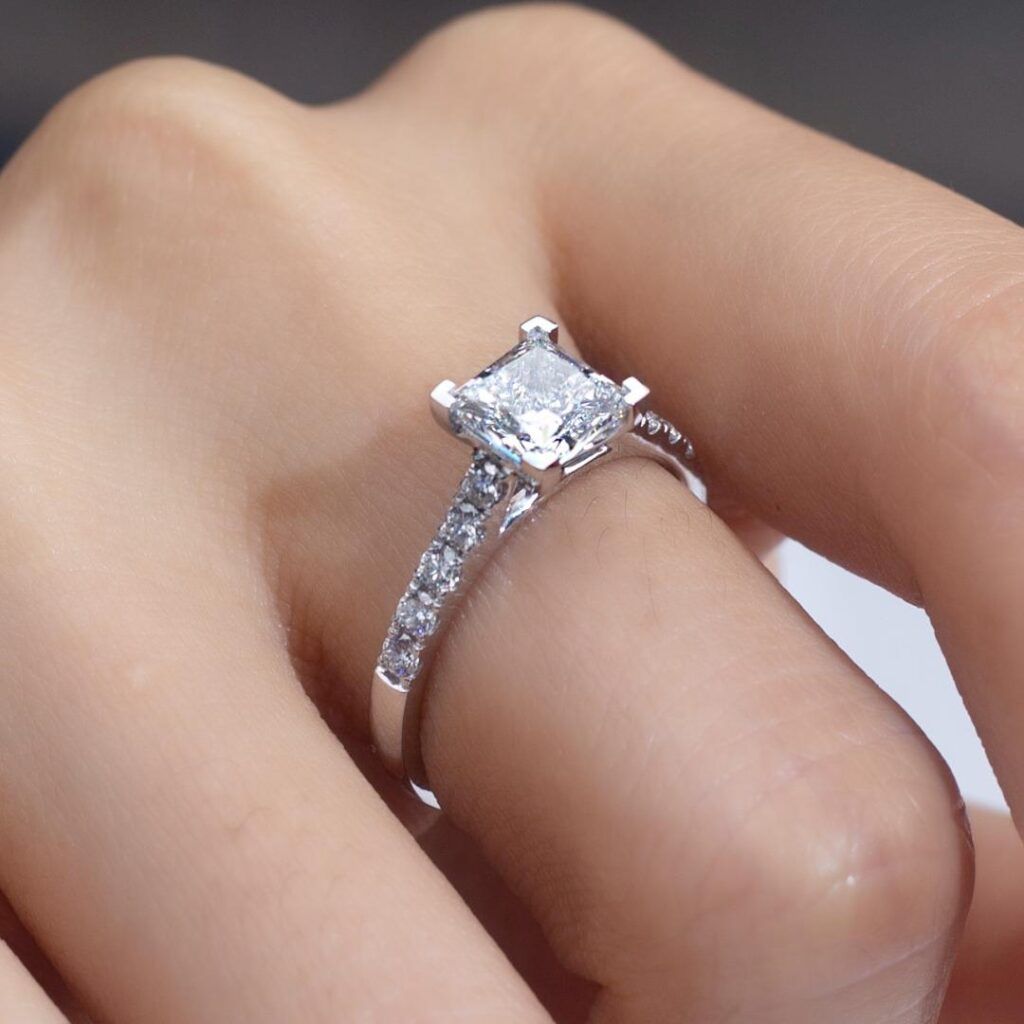
Step 1: Understanding the Customer’s Vision
Every successful jewelry project begins with communication.
Whether the customer is an established jewelry retailer or a startup brand, manufacturers first work to understand the project’s requirements. This usually includes:
- Jewelry category
- Metal type
- Diamond specifications
- Target market
- Budget
- Production quantity
- Brand positioning
Some customers already have complete CAD drawings, while others provide only sketches or reference photos.
An experienced manufacturer can assist at either stage, helping transform creative ideas into practical production designs without compromising aesthetics.
Early collaboration reduces misunderstandings later in the manufacturing process and creates a smoother production experience.
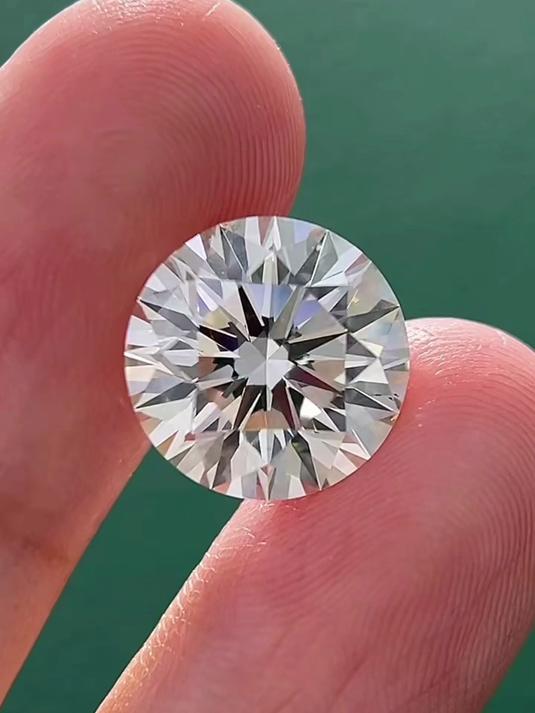
Step 2: Jewelry Design and CAD Development
Once the project requirements are confirmed, professional designers create detailed Computer-Aided Design (CAD) models.
CAD technology allows every detail to be visualized before production begins.
Designers can accurately define:
- Diamond size
- Stone placement
- Metal thickness
- Prong structure
- Ring dimensions
- Overall proportions
This stage is especially important for custom jewelry because even small adjustments can affect comfort, durability, and appearance.
Customers usually review the CAD files before approving production, ensuring the final design matches their expectations.
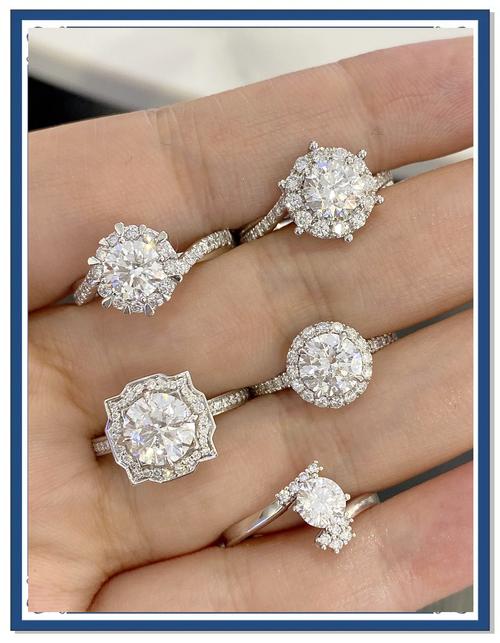
Step 3: Selecting High-Quality Lab-Grown Diamonds
Not every diamond is suitable for every jewelry design.
Professional manufacturers carefully match stones according to multiple factors, including:
- Shape
- Carat weight
- Color
- Clarity
- Cut quality
- Size consistency
For jewelry requiring multiple diamonds—such as tennis bracelets or eternity bands—stone matching becomes particularly important.
Uniform brilliance and consistent appearance create a more luxurious finished product.
Reliable manufacturers maintain stable supply chains to ensure consistent stone quality across different production batches.
Step 4: Wax Model Creation
After CAD approval, manufacturers create wax models using precision equipment.
These wax models serve as physical prototypes before metal casting begins.
The wax stage allows manufacturers to verify:
- Structural balance
- Stone positioning
- Overall dimensions
- Manufacturing feasibility
Any necessary refinements can still be made before moving into precious metal production.
This process helps reduce manufacturing errors while improving production efficiency.
Step 5: Precious Metal Casting
Once the prototype is finalized, the jewelry enters the casting stage.
Depending on customer requirements, manufacturers may use:
- 925 Sterling Silver
- 10K Gold
- 14K Gold
- 18K Gold
- Platinum
Advanced casting techniques help produce jewelry with:
- Smooth surfaces
- Accurate dimensions
- Strong structural integrity
- Minimal material waste
After casting, each piece undergoes cleaning and preliminary finishing before stone setting begins.
Step 6: Professional Stone Setting
Stone setting is one of the most technically demanding stages of jewelry manufacturing.
Even the highest-quality diamonds cannot achieve their full beauty without precise setting.
Experienced craftsmen carefully secure each lab-grown diamond using techniques such as:
- Prong setting
- Pavé setting
- Bezel setting
- Channel setting
- Halo setting
The choice of setting depends on the jewelry design, intended durability, and overall visual effect.
Accurate stone setting not only enhances brilliance but also improves long-term wearability.
Step 7: Polishing and Surface Finishing
After all diamonds are securely set, every jewelry piece undergoes multiple polishing procedures.
Professional polishing creates:
- Brilliant shine
- Smooth edges
- Comfortable wear
- Refined appearance
Manufacturers may also apply additional finishing processes depending on the product design, including rhodium plating for white gold or sterling silver jewelry.
The goal is to produce jewelry that looks elegant from every viewing angle.
Step 8: Comprehensive Quality Inspection
Quality control is one of the most important responsibilities of a professional Lab-Grown Diamond Manufacturer.
Rather than performing only a final inspection, experienced manufacturers evaluate products throughout production.
Typical inspection items include:
- Diamond security
- Surface finish
- Metal quality
- Size accuracy
- Symmetry
- Polish consistency
- Overall craftsmanship
Products that fail inspection are returned for correction before packaging.
Consistent quality standards help reduce returns while protecting the customer’s brand reputation.
Step 9: Packaging and Private Label Services
Many jewelry businesses require more than manufacturing alone.
Professional OEM and ODM manufacturers often provide value-added services such as:
- Custom logo engraving
- Private label packaging
- Jewelry boxes
- Care cards
- Brand tags
- Gift packaging
These services allow retailers to receive products that are ready for direct sale under their own brand.
For growing businesses, this simplifies operations and creates a more professional customer experience.
Why Integrated Manufacturing Matters
Some companies purchase diamonds from one supplier, cast jewelry through another factory, and complete stone setting elsewhere.
While this approach may seem flexible, it often increases production complexity.
Working with a full-service manufacturer offers several advantages:
Better Quality Consistency
When one production team manages every stage, quality standards remain consistent from design to finished product.
Faster Production
Integrated workflows reduce delays caused by shipping products between different suppliers.
This helps brands respond more quickly to changing market demand.
Easier Communication
Instead of coordinating multiple vendors, customers communicate with one experienced project team.
This reduces errors and improves production efficiency.
Lower Overall Costs
Efficient manufacturing processes reduce unnecessary transportation, duplicated labor, and production delays.
The result is better cost control without sacrificing product quality.
Supporting Jewelry Brands Beyond Manufacturing
A professional manufacturing partner contributes more than technical production.
Many jewelry businesses rely on manufacturers for:
- Product development
- Trend recommendations
- Material selection
- Engineering improvements
- Production planning
- Repeat order management
As the partnership grows, manufacturers gain a deeper understanding of each customer’s quality expectations and design preferences, making future projects even more efficient.
Why Experience Makes the Difference
Jewelry manufacturing combines craftsmanship with precision engineering.
While modern equipment improves efficiency, experienced professionals remain essential for maintaining high standards.
Manufacturers with years of industry experience understand how to balance design creativity, production feasibility, and commercial success.
This expertise becomes especially valuable when producing customized collections or handling large-volume orders with strict quality requirements.
Partner with Incepto Jewel
At Incepto Jewel, we provide complete OEM and ODM jewelry manufacturing solutions for brands, wholesalers, retailers, and designers around the world.
Our integrated production process covers CAD design, sample development, casting, stone setting, polishing, quality inspection, and private label manufacturing. By managing every stage in-house with strict quality control, we help customers bring high-quality lab-grown diamond jewelry to market efficiently and consistently.
Whether you need custom engagement rings, fashion jewelry, or large-scale production, our experienced team is committed to delivering craftsmanship, reliability, and long-term manufacturing support.
Final Thoughts
A beautiful piece of jewelry is the result of hundreds of careful decisions throughout the manufacturing process.
From the initial design concept to the final polish, every step influences the finished product’s quality, durability, and appearance.
Choosing an experienced Lab-Grown Diamond Manufacturer gives jewelry businesses confidence that every order is produced with precision, consistency, and attention to detail.
As demand for lab-grown diamond jewelry continues to expand worldwide, manufacturers that combine advanced technology with skilled craftsmanship will remain trusted partners for brands seeking sustainable growth and exceptional product quality.
Get a Quote Now