
Crystal jewelry is admired for its brilliance, elegance, and versatility. Behind every sparkling necklace, bracelet, ring, or pair of earrings lies a detailed manufacturing process that combines advanced technology with skilled craftsmanship. For jewelry brands, wholesalers, and private label businesses, understanding how crystal jewelry is manufactured can help in selecting the right production partner and ensuring consistent product quality.
As a professional crystal jewelry manufacturer, the journey from an initial idea to a finished jewelry piece involves multiple stages, each playing a critical role in the final result. This article explains the complete manufacturing process and highlights the standards that reputable manufacturers follow to produce high-quality crystal jewelry.
1. Concept Development and Design
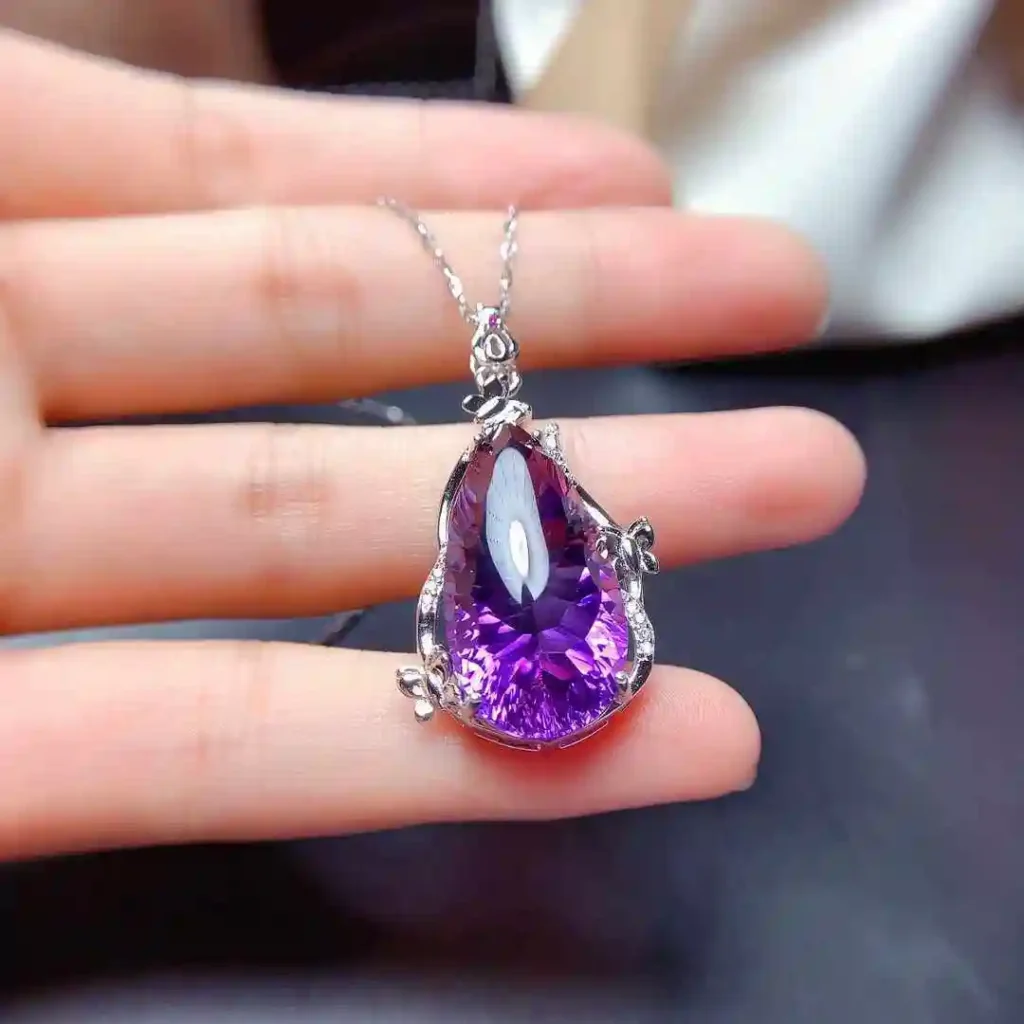
Every crystal jewelry collection begins with a concept.
Designers may draw inspiration from fashion trends, seasonal colors, geometric patterns, nature, or luxury jewelry styles. During this stage, the manufacturer works closely with the client to determine:
- Jewelry type (necklace, bracelet, earrings, ring, etc.)
- Crystal size and color
- Metal material
- Plating finish
- Target price range
- Brand requirements
Professional manufacturers often provide design consultation to help optimize the product for both aesthetics and production efficiency.
2. CAD Drawing and 3D Modeling
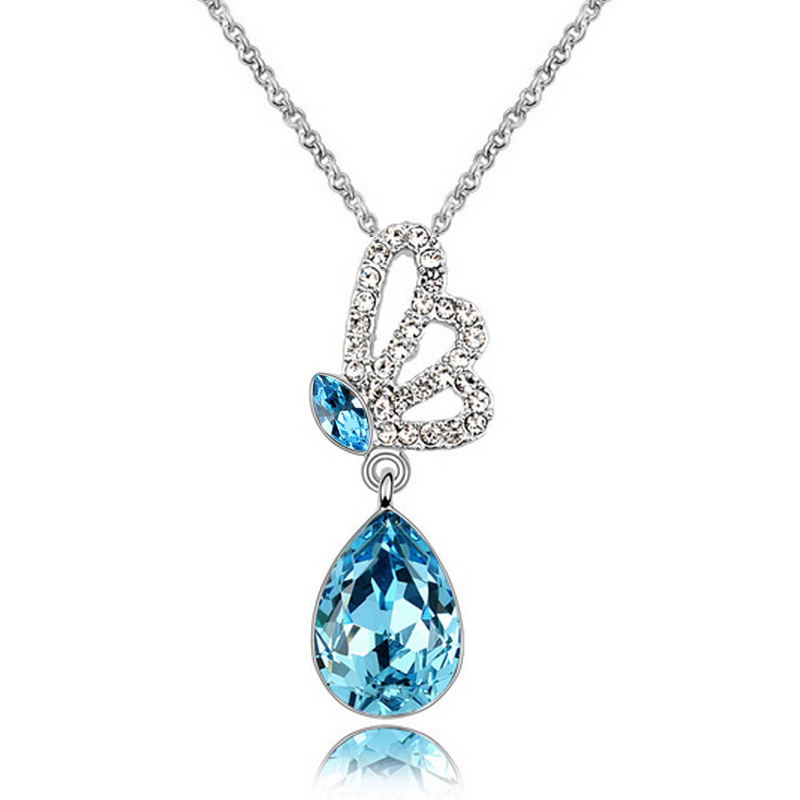
Once the concept is approved, the design is converted into a CAD (Computer-Aided Design) drawing.
CAD technology allows precise measurement of every component, including:
- Stone dimensions
- Metal thickness
- Setting positions
- Clasp mechanisms
- Chain connections
A 3D model is then created, enabling both the manufacturer and the customer to visualize the final product before production begins. Any necessary adjustments can be made at this stage, reducing errors later in the process.
3. Prototype and Sample Production
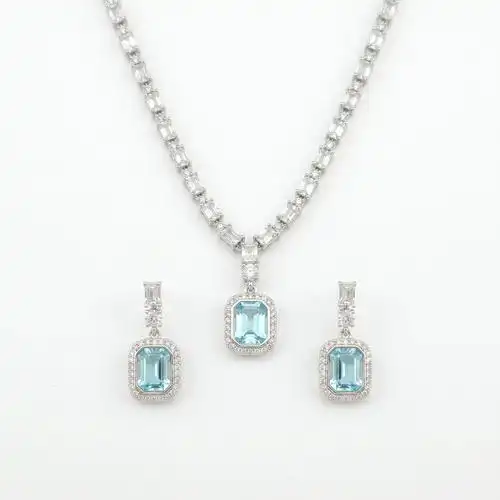
Before mass production, a prototype sample is manufactured.
The sample serves several important purposes:
- Verify design accuracy
- Check crystal placement
- Evaluate comfort and wearability
- Confirm dimensions
- Assess overall appearance
Clients can review the sample and request modifications if needed. This step is particularly important for custom jewelry projects and private label collections.
4. Material Selection
High-quality materials are essential for durable and attractive crystal jewelry.
Crystal Selection
Manufacturers carefully inspect crystal stones for:
- Clarity
- Color consistency
- Cut precision
- Brilliance
- Surface quality
Metal Selection
Common metal options include:
- Sterling Silver
- Stainless Steel
- Brass
- 10K Gold
- 14K Gold
- 18K Gold
The choice depends on the product’s market positioning, durability requirements, and budget.
5. Mold Making
For cast jewelry designs, a production mold is created based on the approved prototype.
Modern manufacturers use high-precision mold-making techniques to ensure:
- Accurate reproduction of details
- Consistent dimensions
- Smooth surfaces
- Efficient mass production
Well-made molds are critical for maintaining uniform quality across large production runs.
6. Metal Casting
The metal components are produced using casting methods such as lost wax casting.
During this process:
- A wax model is created.
- The wax model is surrounded by investment material.
- The wax is melted away.
- Molten metal is poured into the cavity.
- The cast piece is cooled and removed.
This method allows manufacturers to produce intricate jewelry designs with excellent detail.
7. Stone Setting
Crystal setting is one of the most delicate stages of production.
Experienced artisans use specialized tools to secure each crystal firmly in place. Common setting methods include:
- Prong setting
- Bezel setting
- Pavé setting
- Channel setting
- Glue-assisted precision setting
Proper stone setting ensures that crystals remain secure during daily wear while maximizing light reflection.
8. Polishing and Surface Finishing
After assembly, the jewelry undergoes multiple polishing stages.
Polishing removes surface imperfections and creates a smooth, reflective finish. Depending on the design, manufacturers may apply:
- High-gloss polishing
- Matte finishing
- Brushed texture
- Antique effects
The finishing process significantly influences the final appearance and perceived value of the jewelry.
9. Electroplating
Many crystal jewelry pieces receive protective plating.
Popular options include:
- Rhodium plating
- 18K gold plating
- Rose gold plating
- Black rhodium plating
Electroplating improves corrosion resistance, enhances color, and extends the product’s lifespan.
10. Quality Control Inspection
A professional crystal jewelry manufacturer performs comprehensive quality inspections before packaging.
Inspection items typically include:
| Inspection Area | Purpose |
|---|---|
| Crystal security | Prevent stone loss |
| Surface finish | Remove scratches and defects |
| Plating quality | Ensure uniform color |
| Dimensions | Verify design accuracy |
| Clasp function | Ensure usability |
| Logo engraving | Confirm branding details |
Strict quality control helps reduce returns and protects the reputation of jewelry brands.
11. Packaging and Branding
For OEM and private label orders, packaging is customized according to brand requirements.
Manufacturers may provide:
- Custom jewelry boxes
- Branded pouches
- Gift bags
- Care cards
- Hang tags
- Logo stickers
Professional packaging enhances the customer experience and strengthens brand identity.
12. International Shipping
Once production is completed, the jewelry is carefully packed for export.
Experienced manufacturers coordinate shipping through reliable logistics partners and prepare the necessary export documentation to ensure smooth international delivery.
Why Manufacturing Experience Matters
Crystal jewelry production requires both technical expertise and attention to detail.
An experienced manufacturer can:
- Reduce production defects
- Improve stone security
- Maintain consistent quality
- Meet delivery deadlines
- Support custom development
- Optimize production costs
For businesses planning long-term growth, partnering with a skilled manufacturer provides greater stability and better product consistency.
Manufacturing Solutions at Incepto Jewel
At Incepto Jewel, we provide complete crystal jewelry manufacturing services, including custom design, CAD development, sample production, stone setting, plating, quality inspection, and private label packaging.
Our team works with jewelry brands, wholesalers, distributors, and retailers worldwide to create high-quality crystal jewelry collections that meet international market standards. Whether you need OEM production, ODM solutions, or a fully customized jewelry line, we combine advanced manufacturing technology with skilled craftsmanship to deliver reliable results.
Understanding the manufacturing process helps businesses make informed decisions when selecting a production partner. By working with an experienced crystal jewelry manufacturer, you can ensure that every piece reflects your brand’s quality, style, and commitment to excellence.
Get a Quote Now