
For an e-commerce jewelry brand, the journey from a design sketch to a physical, market-ready product is a masterclass in supply chain logistics. When dealing with traditional gemstones like diamonds or sapphires, the manufacturing process follows a relatively predictable path of cutting, casting, and mechanical setting. However, when you introduce pearls into the equation, the entire production dynamic changes.
Pearls are the elegant, high-maintenance divas of the jewelry world. Because they are organic gems created by living organisms, they do not arrive at a factory in perfectly uniform shapes, sizes, or calibrated cuts. Every single pearl possesses unique contours, variations in luster, and varying degrees of surface perfection.
Transforming these unique organic treasures into a consistent, scalable jewelry line requires an advanced pearl setting factory that treats manufacturing as both a rigorous science and a refined art form. Here is an inside look at the technical production pipeline required to bring professional pearl jewelry to life.
Phase 1: The Sorting Room – Achieving Perfect Symmetry
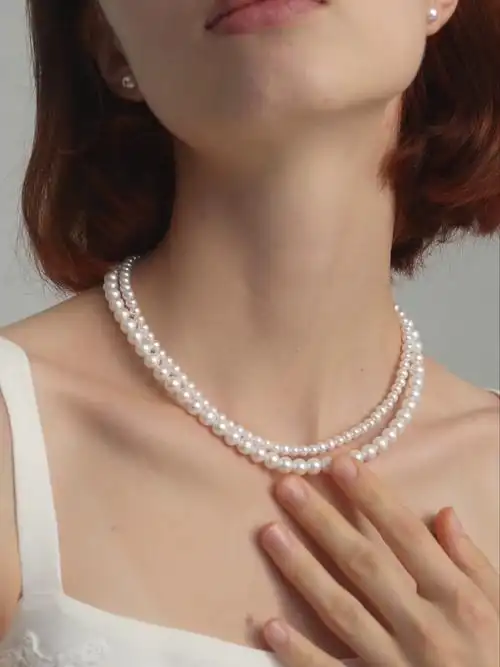
The production line does not begin with metal or machinery; it begins with sorting. If an online retailer sells a pair of pearl drop earrings, the consumer expects those two pearls to look identical. In nature, however, finding an exact match is incredibly rare.
A high-tier pearl setting factory dedicates massive human resources to the sorting and calibration phase. Expert gemologists sort thousands of loose pearls under standardized, color-neutral lighting. They categorize the gems based on five strict criteria:
- Size Calibration: Measuring diameters down to 0.1mm increments using digital calipers.
- Shape Matching: Separating perfectly round, near-round, button, drop, and irregular baroque pearls.
- Luster and Overtone: Ensuring the intensity of the light reflection and the subtle secondary colors (such as pink, green, or silver overtones) match perfectly.
- Surface Purity: Inspecting the pearls under magnification to minimize visible blemishes, pits, or wrinkles.
Mismatched pearls are a primary driver of product returns in e-commerce. A disciplined factory pipeline eliminates this issue before production ever begins.
Phase 2: CAD Engineering and Pre-Setting Metal Preparation
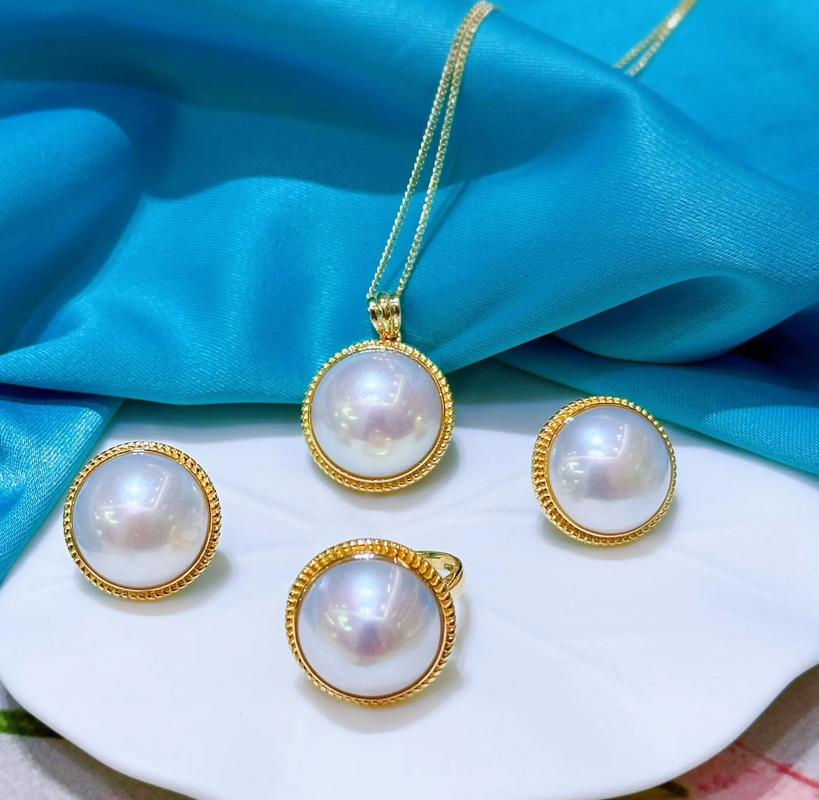
While the pearls are being sorted, the metal manufacturing division prepares the hardware. Modern pearl jewelry relies heavily on Computer-Aided Design (CAD) to engineer the perfect mountings.
When designing a mount for a pearl, the CAD engineer must factor in the exact weight and dimensions of the calibrated pearl batch. If the metal cup is a fraction of a millimeter too wide, it will leave an ugly gap; if it is too narrow, the pearl will sit unevenly.
Once the designs are approved, the gold or sterling silver components are cast and subjected to rigorous pre-setting preparation. The metal must be fully tumbled, filed, and high-polished before the pearl is introduced. Because pearls cannot withstand the abrasive friction of polishing wheels or the chemical intensity of electroplating baths, the metal housing must be completely flawless and finished beforehand.
Phase 3: The Drilling Station – Precision Under Pressure
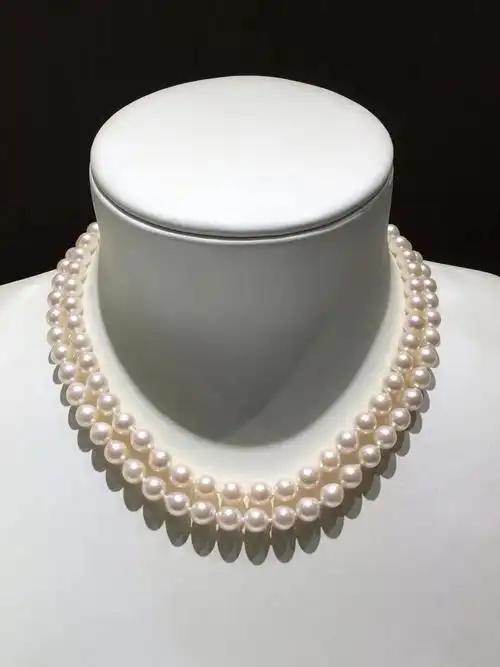
Most classic pearl jewelry—including studs, rings, and pendants—utilizes half-drilled pearls. Drilling into an organic gem wrapped in thousands of microscopic layers of delicate nacre is a high-risk operation. One wrong move, an uncalibrated RPM speed, or a dull drill bit, and the nacre will instantly fracture, ruining an expensive gem.
The Technical Standard: Professional factories utilize specialized, water-cooled, double-sided micro-drilling machines. The pearl is secured in a soft, custom-molded silicone jig to prevent surface scratching. The machinery drills simultaneously or sequentially from perfectly opposing sides to meet precisely in the center, preventing the exit-hole splitting common in low-cost manufacturing.
Phase 4: The Science of Chemical Bonding
Once the pearl is drilled and the metal post is cast, the two components are ready to be joined. Unlike hard gemstones held in place exclusively by bent metal prongs, half-drilled pearls rely on a combination of mechanical tension and chemical bonding.
A professional pearl setting factory treats bonding as a exact science:
- Post Threading: The metal peg is chemically etched or physically threaded to create micro-grooves that maximize surface area contact.
- Adhesive Calibration: The factory uses specialized, industrial-grade, two-part epoxy resins engineered specifically for luxury jewelry. These adhesives are completely UV-resistant and non-yellowing, ensuring they remain clear and structurally sound for decades.
- Controlled Curing: Once the adhesive is applied and the pearl is pressed onto the peg, the pieces are placed in temperature-controlled curing environments to allow the bond to stabilize perfectly without exposing the pearl to harmful thermal stress.
Phase 5: Tensile Testing and Final Quality Assurance
Before any piece of jewelry is cleared for packaging, it must pass a rigorous multi-stage quality control check. Inspectors review the junction between the pearl and the metal cup under magnification to ensure zero visible adhesive residue.
The jewelry then undergoes a gentle manual tensile stress test to verify that the chemical bond has achieved maximum strength. Finally, the pieces are carefully cleaned using pearl-safe, non-chemical solutions, wrapped in protective tissue, and prepared for global shipment.
Scale Your Pearl Line with Incepto Jewel
Navigating the complex, delicate production steps of pearl manufacturing requires an experienced partner you can trust completely. At Incepto Jewel, we function as a premier pearl setting factory and comprehensive jewelry manufacturer, helping global brands turn complex design concepts into high-margin retail successes.
By combining advanced CAD/CAM technology, automated micro-drilling precision, and rigorous gemological sorting with the seasoned eyes of master bench jewelers, we deliver uncompromised consistency across every production run.
Ready to streamline your fine jewelry production? Visit Incepto Jewel today to review our scalable factory capabilities and start building your next successful collection with a dedicated industry partner.
Get a Quote Now