For jewelry brands, creating a successful engagement ring collection requires more than finding attractive designs. A product must be visually appealing, practical to manufacture, consistent in quality, and suitable for the target market. This is why choosing the right diamond ring manufacturer can make a significant difference for brands, wholesalers, retailers, and online jewelry businesses.
A professional manufacturing partner can support the entire development process, from an initial sketch or product idea to CAD design, sampling, diamond setting, finishing, quality inspection, packaging, and bulk production. Instead of relying on standard catalog products, businesses can develop distinctive engagement rings that reflect their own brand identity.
Custom manufacturing is also useful for companies that want to offer multiple price points. The same basic design concept can often be adapted using different metals, diamond sizes, gemstones, and finishing options.
This article explains how a professional diamond ring manufacturer can help businesses develop custom engagement ring collections and what buyers should consider before starting a manufacturing project.
Why Custom Engagement Rings Matter for Jewelry Brands
Engagement rings are highly personal products. Customers often spend considerable time comparing designs because the ring represents an important life event.
For a jewelry business, this creates an opportunity to develop products that are more distinctive than generic wholesale jewelry.
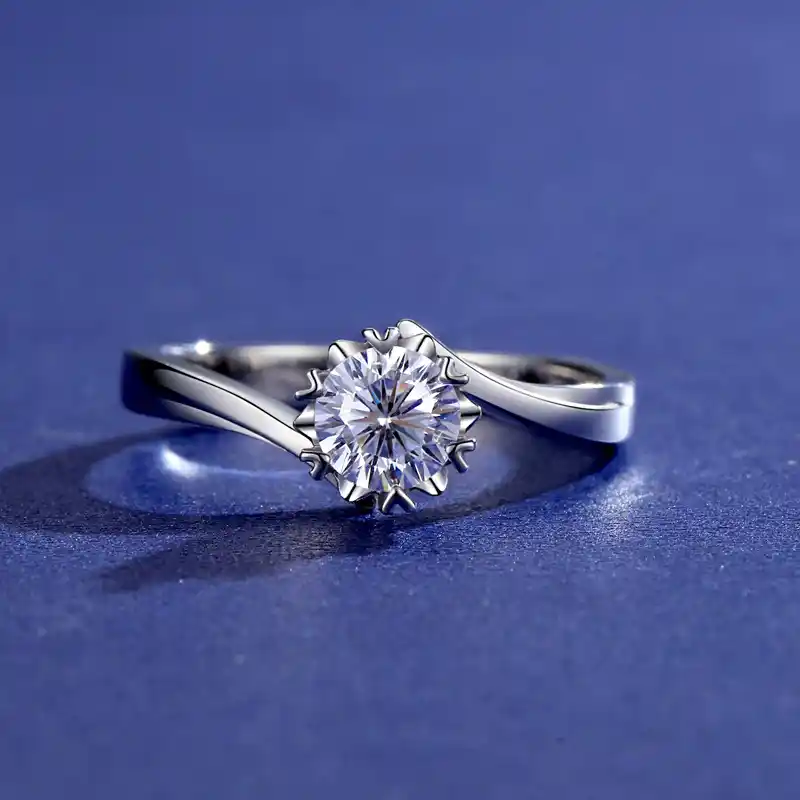
A custom engagement ring can include unique details such as:
- A distinctive center stone setting
- Custom band proportions
- Unique diamond arrangements
- Hidden gemstones
- Personalized engraving
- Mixed-metal construction
- Vintage-inspired details
- Modern geometric elements
- Custom side stones
- Brand-specific design features
When these elements are combined consistently across a collection, they can create a recognizable visual identity.
A capable custom diamond ring manufacturer can help translate these creative ideas into products that can actually be manufactured at commercial scale.
From Design Concept to Finished Ring
One of the biggest advantages of working with an experienced manufacturer is access to a structured product development process.
A typical custom ring project may follow several stages.
Design Brief
The first stage is the design brief.
The jewelry brand explains what it wants to create, including the target customer, preferred style, materials, diamond specifications, estimated retail price, and expected order quantity.
Reference images or existing products can also be provided.
The manufacturer can then evaluate the concept from a production perspective.
This is important because a design that looks excellent on paper may require structural modifications before it can be manufactured efficiently.
CAD Development
CAD is commonly used to transform a design concept into a detailed three-dimensional model.
The CAD file can define:
- Ring dimensions
- Band thickness
- Stone positions
- Prong structure
- Setting height
- Diamond spacing
- Overall proportions
The manufacturer and buyer can review the model before a physical sample is created.
For brands developing a collection rather than a single product, CAD can also make it easier to create related designs.
For example, a signature ring may be developed in different diamond shapes while maintaining the same overall design language.
Why Prototyping Is Important
A physical sample is one of the most useful stages in custom jewelry development.
Even when a CAD model looks correct, the physical ring may reveal details that need improvement.
A sample allows the buyer to evaluate:
- Actual ring size
- Band thickness
- Setting height
- Diamond position
- Surface finish
- Wearing comfort
- Overall proportions
- Visual appearance
If adjustments are required, the manufacturer can modify the design before mass production.
This can reduce the risk of producing a large quantity of rings that do not meet the brand’s expectations.
For this reason, jewelry businesses should avoid treating sampling as an unnecessary extra cost. A well-developed sample can help prevent much more expensive production problems later.
Selecting the Right Diamond for a Custom Ring
The diamond is usually the focal point of an engagement ring, so stone selection should be considered at an early stage.
Popular diamond shapes include:
- Round
- Oval
- Emerald
- Cushion
- Princess
- Pear
- Marquise
- Radiant
- Asscher
Each shape creates a different visual effect.
A round diamond is associated with a classic appearance, while an oval diamond can create an elongated look. Emerald-cut diamonds provide a more structured appearance, while pear and marquise shapes can create distinctive silhouettes.
The center stone also influences the design of the ring setting.
For example, an oval diamond requires a different setting structure from a round diamond. If the stone shape changes, the prongs and surrounding elements may also need to be modified.
This is one reason why a manufacturer with strong design and engineering capabilities can be valuable.
Natural Diamonds and Lab-Grown Diamonds
Jewelry brands today can develop engagement ring collections using either natural diamonds, lab-grown diamonds, or both.
Natural diamonds remain an established choice for traditional fine jewelry and premium engagement ring collections.
Lab-grown diamonds provide another option for brands targeting customers who are looking for different combinations of stone size, price, and product positioning.
For a jewelry manufacturer, the important point is that diamond selection should be integrated into product development rather than treated as a completely separate decision.
The center stone’s dimensions can affect the ring’s structure, setting, and overall appearance.
A manufacturer that works with multiple diamond options can therefore provide greater flexibility for brands developing different collections.
Custom Metal Options
The metal used for an engagement ring influences its appearance, durability, weight, and retail positioning.
Common choices include:
14K Gold
14K gold is widely used for jewelry because it offers a balance between gold content, durability, and cost.
18K Gold
18K gold contains a higher proportion of gold and is often used for premium jewelry collections.
White Gold
White gold provides a bright, contemporary appearance and is commonly used in engagement rings.
Yellow Gold
Yellow gold has a traditional appearance and can complement both classic and modern designs.
Rose Gold
Rose gold offers a warmer tone and is often selected for romantic or fashion-forward collections.
A flexible diamond ring manufacturer can help brands develop the same basic design in different metal options.
This allows one product concept to serve multiple customer segments.
Manufacturing Different Engagement Ring Styles
A strong manufacturing partner should be capable of producing a variety of engagement ring designs.
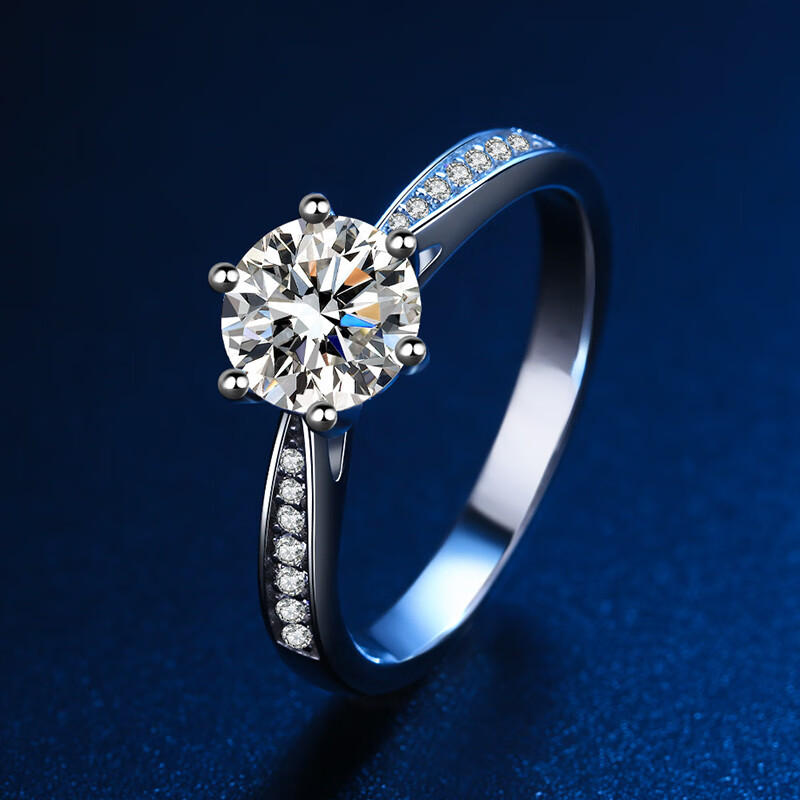
Solitaire Engagement Rings
The solitaire is one of the most recognizable engagement ring styles.
Its simple structure places the emphasis on the center diamond.
For manufacturers, the quality of the setting is particularly important because the center stone is the main visual feature.
Halo Engagement Rings
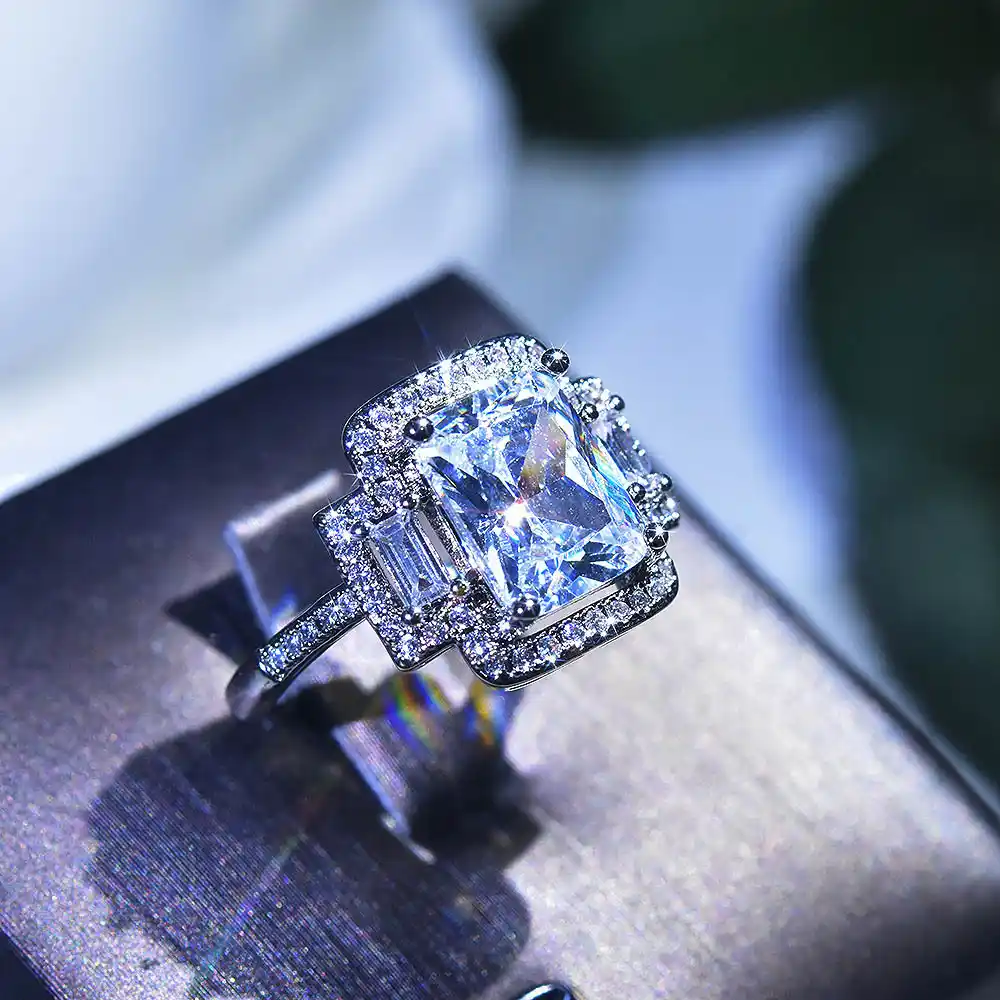
Halo rings surround the center diamond with smaller stones.
The additional stones can create greater visual impact and provide opportunities for different design variations.
Three-Stone Engagement Rings
Three-stone rings use a central stone accompanied by two additional stones.
Brands can experiment with different stone shapes and proportions to create distinctive collections.
Pavé Engagement Rings
Pavé designs incorporate numerous small diamonds into the band or surrounding structure.
These rings require precise stone placement and consistent finishing.
Vintage-Inspired Engagement Rings
Vintage-inspired rings can include detailed metalwork, engraved elements, milgrain textures, and distinctive stone arrangements.
These designs may require additional manufacturing expertise compared with simple modern styles.
How a Diamond Ring Manufacturer Supports Brand Differentiation
Competition in the jewelry industry makes product differentiation increasingly important.
If multiple businesses sell exactly the same ring, price can become the main point of competition.
Custom manufacturing provides an alternative.
A brand can create a signature design and use it as the foundation for an entire collection.
For example, a company could develop a distinctive band structure and then create:
- Round diamond versions
- Oval diamond versions
- Emerald-cut versions
- Different metal colors
- Different stone sizes
- Matching wedding bands
The result is a collection that feels cohesive while offering customers several choices.
This approach can also make future product development more efficient because new designs can build on established manufacturing knowledge.
OEM Diamond Ring Manufacturing for Engagement Collections
OEM production is suitable for businesses that already have their own designs or product specifications.
The jewelry brand controls the product concept while the manufacturer manages production.
An OEM diamond ring project may include:
- Product consultation
- CAD development
- Sample production
- Material confirmation
- Diamond selection
- Bulk manufacturing
- Stone setting
- Polishing
- Quality inspection
- Packaging
- Shipping
This allows a jewelry company to develop products without building its own manufacturing facility.
For small and medium-sized brands, this can be particularly useful because resources can remain focused on marketing, retail, e-commerce, and customer acquisition.
Private Label Engagement Ring Collections
Private label manufacturing allows businesses to sell custom jewelry under their own brand.
A private label engagement ring collection can include both customized products and branded presentation.
For example, the brand may request:
- Custom ring designs
- Logo engraving
- Branded ring boxes
- Product cards
- Jewelry care instructions
- Custom gift packaging
The result is a more complete brand experience.
Incepto Jewel provides OEM, ODM, and private label jewelry manufacturing services and states that it can support custom logos, branded packaging, product tags, instruction cards, and other retail presentation requirements.
Quality Control for Engagement Rings
Quality control is particularly important for diamond engagement rings because customers expect a high level of craftsmanship.
A manufacturer should check the ring at several stages.
Important areas include:
Diamond Security
The stones should be properly positioned and secured.
Prong Quality
Prongs should be consistent and properly formed around the stone.
Ring Dimensions
The finished product should match the approved specifications.
Surface Finishing
The ring should have a consistent finish without unwanted scratches, marks, or uneven areas.
Diamond Alignment
Multiple stones should be positioned consistently according to the design.
Final Appearance
The finished ring should be compared against the approved sample or specifications.
A structured inspection process helps maintain consistency across production batches.
Incepto Jewel describes a quality-control process that includes raw material inspection, dimension verification, stone security testing, surface finish inspection, plating checks, final appearance inspection, and packaging inspection.
Flexible MOQ for New Jewelry Brands
Minimum order quantity can have a major impact on new brands.
A startup may want to develop a collection without purchasing hundreds of units of every design.
Flexible MOQ makes it easier to test new products.
For example, a brand could launch a small selection of custom engagement rings, track customer demand, and then place larger production orders for the best-performing designs.
This can reduce inventory risk and allow the product range to evolve according to actual sales.
Incepto Jewel highlights low MOQ and flexible production as part of its manufacturing services, which can be useful for both emerging and established jewelry businesses.
Custom Packaging for Engagement Rings
The customer experience does not end when the ring is manufactured.
Packaging is especially important for engagement jewelry because the presentation can be part of the emotional experience.
A brand can customize its packaging with:
- Logo
- Brand colors
- Custom inserts
- Jewelry care cards
- Ring boxes
- Gift boxes
- Branded pouches
Incepto Jewel also provides custom jewelry packaging and jewelry box manufacturing services, including design, materials, branding, assembly, quality control, and export logistics.
This can help brands create a consistent experience from product page to unboxing.
How to Choose the Right Manufacturer
Before selecting a diamond ring manufacturer, businesses should evaluate several factors.
Manufacturing Capability
Can the factory produce the type of engagement rings you want?
Customization
Can it manufacture products based on your own designs?
CAD Support
Can the design team convert sketches or concepts into production-ready models?
Sampling
Can you receive and approve a physical sample before bulk production?
Material Options
Does the factory support the metals and stones required for your collection?
MOQ
Can the manufacturer accommodate your initial order size?
Quality Control
Are there clear inspection procedures?
Production Capacity
Can the factory support future growth?
Packaging
Can the manufacturer provide private label packaging if needed?
Communication
Can the factory communicate clearly throughout the project?
These factors can be more important than simply comparing factory quotations.
Building a Long-Term Relationship With a Manufacturer
The best manufacturing partnerships develop over time.
Once a manufacturer understands your design style, materials, quality requirements, and packaging specifications, future projects can become more efficient.
For example, if a jewelry brand regularly produces 14K gold engagement rings with specific stone-setting standards, the factory can maintain those specifications for future collections.
The manufacturer may also provide useful recommendations when developing new products.
Because it understands the production process, it can identify potential issues before they become expensive problems.
This type of technical cooperation can be particularly valuable for brands that release new jewelry collections regularly.
Why Incepto Jewel Is a Potential Manufacturing Partner
For brands searching for a diamond ring manufacturer, Incepto Jewel offers a range of manufacturing services intended for B2B jewelry businesses.
Its published information highlights OEM, ODM, private label, wholesale manufacturing, custom jewelry development, CAD design, prototype production, flexible MOQ, quality inspection, customized packaging, and international shipping. The company also states that it has more than 10 years of jewelry manufacturing experience and serves brands, wholesalers, importers, distributors, and online retailers.
For an engagement ring project, businesses can discuss their design concept, diamond requirements, metal specifications, quantity, packaging, and quality standards directly with the manufacturing team.
Final Thoughts
A successful engagement ring collection starts with a strong product concept, but turning that concept into a reliable commercial product requires manufacturing expertise.
The right diamond ring manufacturer can support brands through CAD development, sampling, material selection, diamond setting, production, quality inspection, private labeling, and packaging.
For jewelry startups, flexible MOQ and prototype development can reduce the risk of launching new products. For established brands, consistent quality, repeat production, and scalable manufacturing may be the most important considerations.
Whether you are developing solitaire engagement rings, halo designs, three-stone rings, pavé styles, or completely original products, choosing a manufacturer with strong custom production capabilities can help you create a distinctive collection and establish a more reliable supply chain.
Incepto Jewel provides OEM, ODM, private label, and custom jewelry manufacturing services for businesses looking to develop and produce their own jewelry collections. For brands seeking a manufacturing partner for custom diamond rings and engagement jewelry, a direct conversation about design requirements, materials, quantity, quality standards, and packaging is the best starting point for building a successful production project.
