Finding the right diamond ring manufacturer is a critical step for jewelry brands, wholesalers, retailers, distributors, and online jewelry businesses that want to build a reliable product line. While many suppliers can offer ready-made rings, professional buyers often need much more than a catalog of standard designs. They need consistent quality, flexible customization, competitive factory pricing, dependable production, and a manufacturing partner that can support repeat orders.
For a growing jewelry business, the manufacturer behind the product can influence everything from product development and inventory management to customer satisfaction and profit margins. A capable factory can help turn an original concept into a finished diamond ring, manufacture samples for testing, produce wholesale quantities, add private label branding, and provide packaging for the final product.
This guide explains the most important factors B2B buyers should consider when choosing a diamond ring manufacturer and how to build an efficient sourcing process for custom and wholesale diamond jewelry.
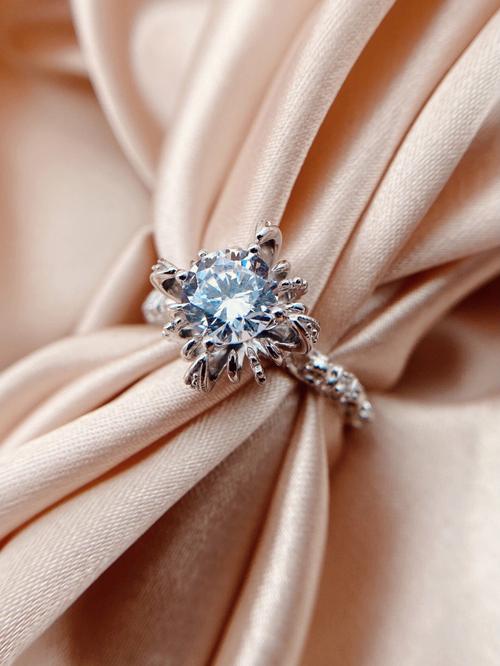
What Makes a Professional Diamond Ring Manufacturer Different?
A professional diamond ring manufacturer does more than assemble jewelry according to a basic specification. A capable factory should have the technical knowledge, equipment, skilled workers, and quality-control procedures needed to manage the entire production process.
For B2B customers, this can include:
- Custom ring design
- 3D CAD development
- Prototype production
- Metal casting
- Precision machining
- Diamond and gemstone setting
- Polishing
- Engraving
- Surface finishing
- Quality inspection
- Custom packaging
- Bulk production
- International shipping
The ability to manage several of these processes through one manufacturing partner can make sourcing easier and reduce unnecessary communication between different suppliers.
For example, a jewelry brand launching a new engagement ring collection may need CAD development, prototype samples, diamond setting, logo engraving, branded packaging, and bulk production. Working with one experienced manufacturer can simplify the project from the initial concept through final delivery.
Why B2B Buyers Should Work With a Factory
There are several reasons jewelry businesses choose to work directly with a diamond ring factory.
Better Product Control
Direct communication makes it easier to define product specifications.
Instead of purchasing a standard ring and accepting whatever specifications are available, buyers can discuss the exact requirements for:
- Ring size
- Metal type
- Metal color
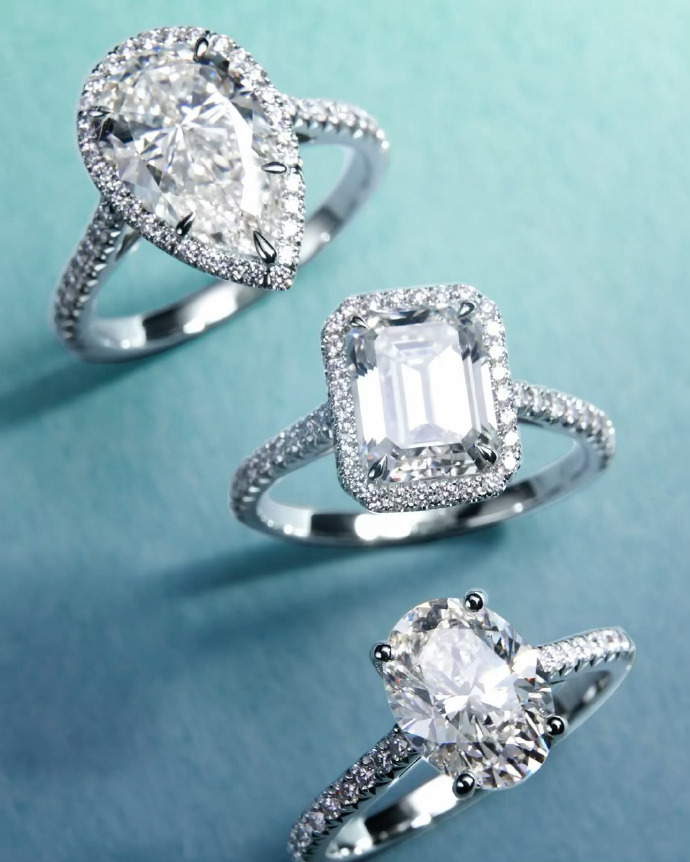
- Diamond shape
- Diamond size
- Setting style
- Surface finish
- Engraving
- Packaging
This level of control is particularly valuable for brands that want a consistent product identity.
More Customization Options
A factory with OEM and ODM capabilities can help businesses create products that are different from common wholesale designs.
A brand may start with a simple concept and develop a complete collection around it.
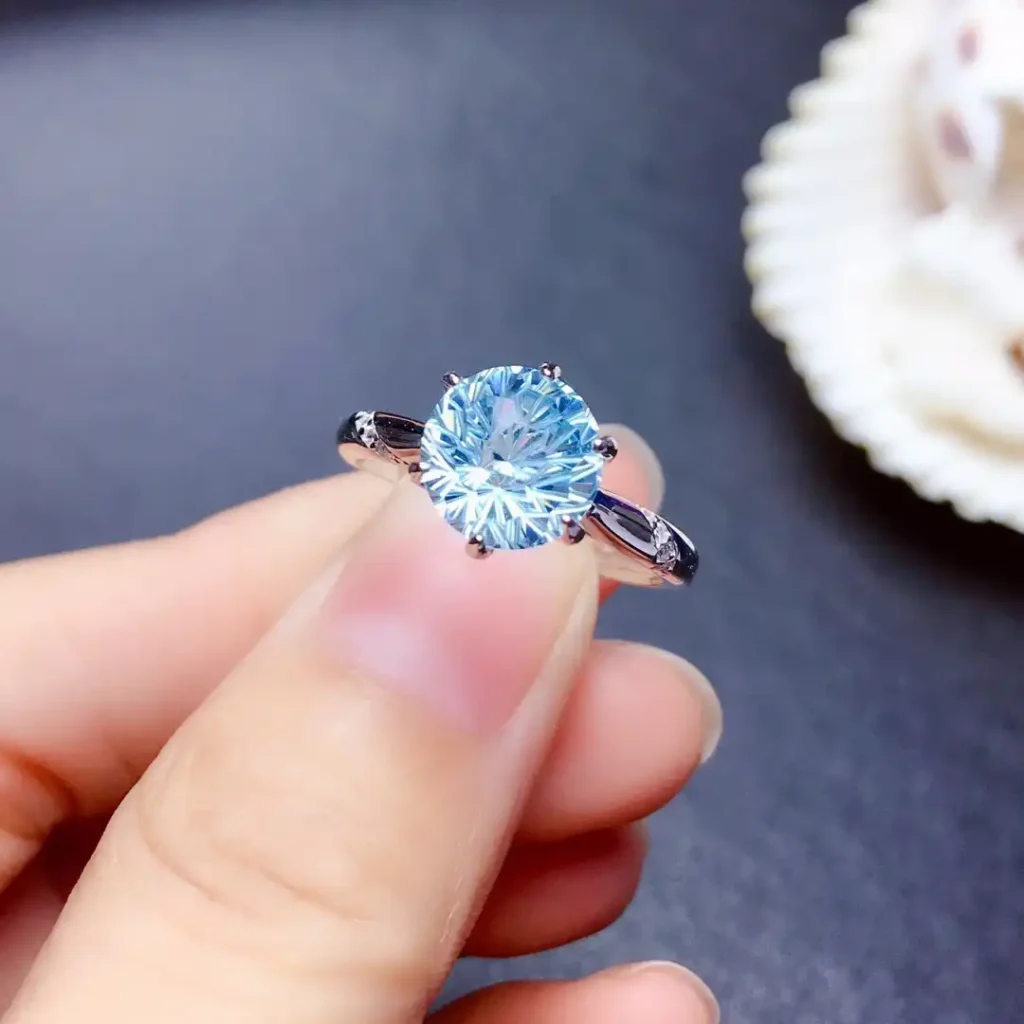
For example, one signature ring design could be developed in several variations with different center stones, metal colors, diamond sizes, or band styles.
This creates opportunities to build a cohesive product range without making every product completely different.
Easier Repeat Production
Once a design has been finalized and approved, the manufacturer can maintain the specifications for future orders.
This is important for retailers and wholesalers because successful products often need to be reordered.
A reliable production record helps reduce differences between the first order and subsequent batches.
What Types of Diamond Rings Can Be Manufactured?
A professional manufacturer should be able to produce different ring categories for different customer segments.
Engagement Rings
Engagement rings are one of the most important categories in diamond jewelry.
Common styles include solitaire, halo, three-stone, pavé, vintage-inspired, and modern minimalist designs.
Each style requires different production considerations.
For example, a solitaire ring places most of the visual attention on the center stone, while a pavé design requires precise placement of numerous smaller diamonds.
Wedding Bands
Diamond wedding bands can be manufactured in different widths, metals, finishes, and stone configurations.
They can also be developed as matching products for existing engagement ring designs.
Eternity Rings
Eternity rings require careful control of stone size and spacing because diamonds may be arranged around a significant portion or the entire circumference of the band.
Manufacturing precision is important to ensure a consistent appearance.
Fashion Diamond Rings
Not every diamond ring is designed for an engagement or wedding.
Fashion jewelry brands may require contemporary rings with unusual shapes, mixed metals, colored gemstones, or distinctive diamond arrangements.
A flexible manufacturer can help brands create collections for different occasions and customer groups.
Custom Diamond Ring Manufacturing Process
A clear production workflow helps reduce errors and makes it easier for buyers to manage a project.
1. Initial Consultation
The process begins with the buyer explaining the product requirements.
Information may include design references, target materials, diamond specifications, estimated order quantity, target market, and expected retail price.
The more detailed the initial brief, the easier it is for the manufacturer to understand the project.
2. CAD Design
If the buyer has an existing CAD file, the manufacturer can review it for production requirements.
If there is only a sketch or reference image, the factory’s design team can develop a three-dimensional CAD model.
This stage allows both sides to evaluate the structure before production.
3. Prototype Development
A physical sample is created after the design is approved.
The buyer can then check the actual size, appearance, proportions, setting, and finishing.
Any necessary modifications can be made before bulk manufacturing.
4. Material Confirmation
The manufacturer confirms the selected metal and stones.
Depending on the collection, materials may include sterling silver, 10K gold, 14K gold, 18K gold, natural diamonds, lab-grown diamonds, moissanite, or other gemstones.
Incepto Jewel publicly lists several of these materials among its jewelry manufacturing capabilities, including 925 sterling silver, 10K/14K/18K gold, natural diamonds, lab-grown diamonds, moissanite, cubic zirconia, and natural gemstones.
5. Production
After the sample is approved, the factory begins bulk production.
The production process can include casting, precision processing, stone setting, polishing, engraving, and final assembly.
6. Quality Inspection
Quality control is performed before the finished rings are released for shipment.
Inspection may include material verification, dimensional checks, stone security, surface finishing, and final appearance.
Incepto Jewel states that its production quality-control process includes raw material inspection, dimension verification, stone security testing, surface finish inspection, plating thickness testing, final appearance inspection, and packaging inspection.
7. Packaging and Delivery
The completed products are securely packaged before international shipment.
For private label projects, branded boxes, product cards, labels, and other customized packaging can also be incorporated into the order.
How to Choose a Diamond Ring Manufacturer for Wholesale
Wholesale buyers should evaluate suppliers according to several practical criteria rather than focusing only on the lowest quotation.
Manufacturing Experience
Ask whether the manufacturer has experience with the type of rings you want to produce.
A factory experienced in simple fashion rings may not be the best choice for complicated diamond engagement rings.
Experience with similar products can reduce production problems.
Production Capacity
Consider your current and future order volume.
A manufacturer should be able to support your expected production requirements without sacrificing consistency.
For example, a startup may initially need small batches, while an established retailer may require regular large-volume replenishment.
Flexible MOQ
Minimum order quantity is especially important for emerging jewelry brands.
Low or flexible MOQ can allow a company to test different designs before committing to large inventory quantities.
Incepto Jewel states that it supports low MOQ and describes its manufacturing services as suitable for businesses of different sizes.
Quality Control
Quality control should be part of the manufacturing process rather than an afterthought.
Ask what inspections are performed and whether the factory can cooperate with third-party inspection services when required.
Communication
Custom jewelry production involves many details.
A supplier should be able to clearly communicate about design changes, materials, sampling, production schedules, and shipping.
Poor communication can create costly mistakes even when the factory itself has good technical capabilities.
OEM Diamond Ring Manufacturing for Brands
OEM production is suitable for brands that have their own designs or detailed product specifications.
The brand can provide its design while the factory handles the manufacturing process.
OEM services may include:
- Custom metal selection
- Custom ring dimensions
- Stone setting
- Surface finishing
- Logo engraving
- Custom packaging
- Bulk manufacturing
This allows brands to maintain control over the final product while outsourcing the physical production.
For businesses that are building a distinctive jewelry identity, OEM manufacturing can provide much more flexibility than purchasing generic products from a wholesale catalog.
Private Label Diamond Rings
Private label manufacturing is another option for jewelry companies that want to sell products under their own brand.
A private label diamond ring can include customized branding on the jewelry and packaging.
For example, a brand could develop a signature engagement ring collection and add its logo to the ring box, product card, or other brand materials.
Incepto Jewel offers private label jewelry manufacturing services that include custom logos, branded jewelry boxes, gift bags, product tags, instruction cards, and retail packaging.
This makes it possible to create a more complete branded experience rather than simply reselling unbranded products.
Why Packaging Matters for Diamond Rings
Packaging is especially important for diamond jewelry because the product is often associated with major personal occasions.
A well-designed ring box can enhance the presentation of the product and support a brand’s positioning.
Jewelry brands can customize packaging through:
- Logo printing
- Embossing
- Debossing
- Foil stamping
- Custom colors
- Velvet interiors
- Microfiber interiors
- Leatherette coverings
- Rigid boxes
- Drawer-style boxes
- Magnetic closure boxes
Incepto Jewel also provides custom jewelry box manufacturing, including structural design, CAD engineering, material sourcing, branding, assembly, quality inspection, and export logistics.
For a brand selling premium diamond rings, coordinating the ring and packaging through the same manufacturing partner can make procurement more efficient.
Natural Diamonds and Lab-Grown Diamonds
When developing a diamond ring collection, brands should decide early whether they will use natural diamonds, lab-grown diamonds, or both.
Natural diamonds have long been associated with traditional fine jewelry and luxury positioning.
Lab-grown diamonds offer another product option for brands targeting customers who prioritize different combinations of size, price, design, and product positioning.
The right choice depends on the brand’s target market.
A manufacturer that can support both natural and lab-grown diamonds gives buyers greater flexibility when developing different collections.
How a Manufacturer Can Help Control Production Costs
Unit price is important, but the lowest quoted price does not necessarily result in the lowest overall cost.
A more effective approach is to look at total sourcing efficiency.
Businesses can potentially control costs by:
- Finalizing CAD designs before production
- Reducing unnecessary design revisions
- Selecting practical ring structures
- Ordering appropriate quantities
- Using repeatable production specifications
- Consolidating packaging requirements
- Working directly with the factory
- Developing multiple variations from a common design concept
Manufacturers with engineering experience may also suggest changes that simplify production without significantly changing the appearance of the ring.
For example, a small structural adjustment may reduce manufacturing complexity while preserving the original design concept.
How to Build a Reliable Supply Chain
A good diamond ring manufacturer can become an important part of a jewelry company’s supply chain.
The relationship should ideally cover more than one order.
Start with samples and a smaller production run when possible. Evaluate product quality, communication, delivery, packaging, and customer support.
If the first orders meet expectations, the relationship can develop into regular production.
Over time, the manufacturer can become familiar with the brand’s:
- Design style
- Quality standards
- Packaging requirements
- Preferred materials
- Target price ranges
- Typical order quantities
- Product development process
This familiarity can make future projects faster and easier to manage.
Questions to Ask Before Placing a Wholesale Order
Before choosing a manufacturer, B2B buyers should ask specific questions.
Do you manufacture diamond rings directly?
Can you produce custom designs from sketches or CAD files?
Do you provide OEM and private label services?
What metals and diamond options are available?
What is your minimum order quantity?
Can I order samples before bulk production?
How do you inspect diamond settings?
Can you provide customized packaging?
Can you maintain the same specifications for repeat orders?
Do you support international shipping?
Can you provide relevant testing or certification documents when required?
Clear answers to these questions can help buyers compare manufacturers more effectively.
Why Incepto Jewel Can Be Considered for Custom Diamond Ring Projects
For businesses looking for a manufacturing partner rather than a simple product reseller, Incepto Jewel presents a range of B2B jewelry manufacturing services.
Its published manufacturing information highlights OEM, ODM, private label, wholesale, bulk production, custom product development, flexible MOQ, CAD design, prototype production, quality inspection, packaging, and global shipping. The company also states that its facility has more than 5,000 square meters of factory area, over 100 skilled workers, and more than 10 years of manufacturing experience.
These capabilities can be useful for jewelry brands that need to move from product concepts to samples and then to repeat wholesale production.
For businesses developing custom diamond rings, the most important consideration is whether the manufacturer’s capabilities match the project’s specific requirements. Buyers should discuss their design, material, diamond, quantity, packaging, and quality specifications with the factory before confirming an order.
Final Thoughts
Choosing a diamond ring manufacturer for wholesale or custom production is a long-term business decision. The right manufacturer should offer reliable production, flexible customization, consistent quality, clear communication, and the ability to scale with your business.
For startups, low MOQ and prototype support can make product testing easier. For established jewelry brands, consistent repeat production and reliable quality control may be more important. For private label businesses, custom branding and packaging can help create a stronger customer experience.
The ideal manufacturing relationship begins with a clear product brief, an approved sample, transparent production requirements, and consistent quality standards.
Whether you are sourcing wholesale diamond rings, developing custom engagement rings, launching a private label collection, or creating an OEM jewelry line, choosing a capable factory can help you build a more reliable supply chain and bring better products to your customers.
For jewelry businesses seeking a manufacturing partner for custom and wholesale jewelry projects, Incepto Jewel provides OEM, ODM, private label, and factory-direct manufacturing services designed to support businesses from product development through production and international delivery.
