
Choosing the right wedding ring manufacturer is one of the most important decisions for a jewelry brand, retailer, designer, or wholesaler. Wedding rings are highly personal products, and customers expect excellent craftsmanship, reliable quality, comfortable designs, and long-lasting durability. For businesses, this means that finding the right manufacturing partner is not simply about comparing prices. It is about finding a partner that can consistently turn ideas into finished jewelry while supporting your brand’s long-term growth.
Whether you are launching a new wedding jewelry collection, expanding an existing product line, or developing a private label jewelry business, a professional wedding ring manufacturer can make the entire process more efficient. The right partner can support design development, material selection, prototyping, gemstone setting, production, quality inspection, packaging, and shipping.
For jewelry brands looking for a flexible manufacturing partner, Incepto Jewel provides custom jewelry manufacturing, OEM, ODM, and private label solutions designed around different business requirements.
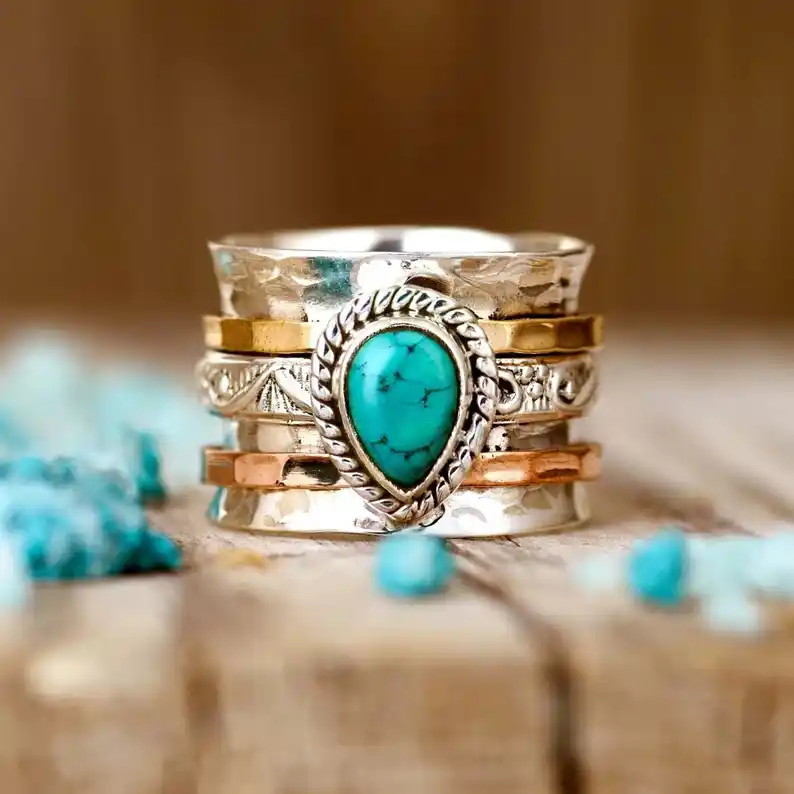
What Does a Wedding Ring Manufacturer Do?
A professional wedding ring manufacturer is responsible for much more than producing a finished ring. The manufacturing process can begin with a simple sketch, reference image, CAD file, or even a basic product concept.
An experienced manufacturer can help transform that concept into a production-ready wedding ring through several stages.
These may include:
- Design and concept development
- CAD modeling and technical preparation
- Material and gemstone selection
- Prototype production
- Sample approval
- Mass production
- Gemstone setting
- Polishing and finishing
- Quality inspection
- Custom packaging
- Worldwide shipping
This complete approach is especially valuable for jewelry brands that do not have their own manufacturing facilities. Instead of coordinating with multiple suppliers for different stages, businesses can work with one experienced manufacturing partner.
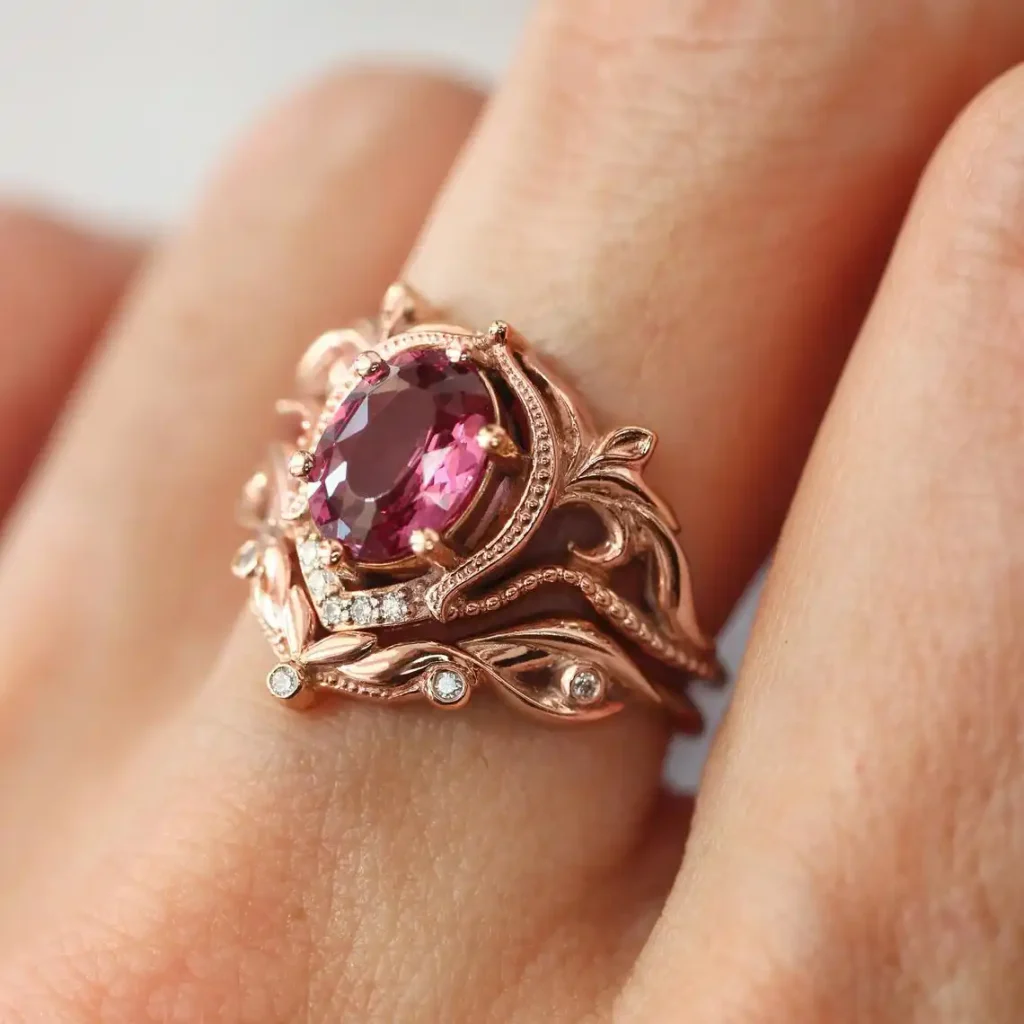
Why the Manufacturer You Choose Matters
A wedding ring is designed to be worn for years, often every day. Small manufacturing problems can therefore become significant customer complaints. Loose stones, uncomfortable edges, inaccurate sizing, uneven finishing, or inconsistent materials can affect both the customer experience and the reputation of a jewelry brand.
A reliable wedding ring manufacturer should understand these requirements and have a systematic approach to quality control.
The best manufacturing partnership should provide more than production capacity. It should provide confidence.
For example, when developing a new ring collection, a brand may need help determining whether a particular design is practical to manufacture. An experienced production team can identify potential structural problems before mass production begins. This can save time, reduce unnecessary costs, and prevent quality issues later.
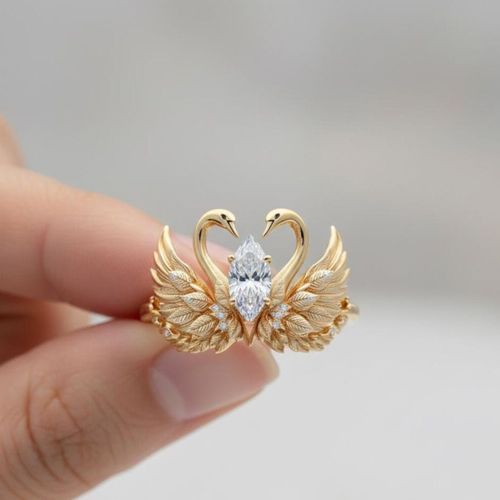
7 Things to Consider When Choosing a Wedding Ring Manufacturer
1. Custom Design Capabilities
One of the first questions a jewelry business should ask is whether the manufacturer can produce truly customized designs.
Customers increasingly want wedding rings that feel personal and distinctive. A jewelry brand may therefore need customized ring profiles, gemstone combinations, engravings, logos, or other design elements.
A capable manufacturer should be able to work from different types of design information, including sketches, CAD drawings, reference products, and creative concepts.
Incepto Jewel focuses on custom jewelry manufacturing and works with brands to transform their ideas into production-ready jewelry. Its manufacturing process starts with understanding the brand’s vision, target customers, and product goals before moving into technical specifications and prototyping.
2. Material and Gemstone Options
The choice of materials has a major influence on the appearance, positioning, and price of a wedding ring.
Depending on the collection, brands may require gold, silver, platinum, recycled metals, diamonds, moissanite, or colored gemstones.
A manufacturer with broader material and gemstone capabilities gives brands more flexibility when developing different collections.
It is also important to understand how the manufacturer handles gemstone setting. Secure stone placement, accurate positioning, and proper finishing are essential for rings designed for regular wear.
3. Prototype and Sample Approval
Never underestimate the importance of sampling when developing custom wedding rings.
A digital design may look excellent on a screen, but the physical product can reveal details that are difficult to evaluate digitally. Ring proportions, comfort, stone positioning, surface finishing, and overall appearance should be checked before full production.
A professional manufacturer should provide a prototype or sample for evaluation and allow the client to request necessary refinements.
Incepto Jewel follows a process that includes prototyping and sample approval before mass production. This gives brands an opportunity to review the product and confirm that it matches their expectations before production is scaled.
4. Production Capacity and Flexibility
Not every jewelry business has the same requirements.
A startup may want to test a new wedding ring collection with a relatively small order. An established jewelry retailer may need hundreds or thousands of pieces for a larger launch.
This makes production flexibility particularly important.
A manufacturer that supports low MOQ can be especially valuable for emerging brands because it allows them to test products without committing to excessive inventory.
Incepto Jewel states that it supports businesses of different sizes through low MOQ production, helping brands reduce inventory costs and the risk of overstocking.
5. Turnaround Time
Time is another important consideration when choosing a wedding ring manufacturer.
Jewelry brands often work around seasonal campaigns, wedding seasons, product launches, promotional events, and customer orders. Delayed manufacturing can affect the entire supply chain.
A manufacturer should therefore provide realistic production schedules and communicate clearly about sampling, production, inspection, packaging, and shipping.
According to Incepto Jewel, standard orders can be completed within 7–20 working days, with expedited production available for urgent cases. Actual timing can depend on the product design, materials, quantity, and order requirements.
6. OEM and Private Label Services
For brands that want to build their own identity, OEM and private label manufacturing can be highly valuable.
Instead of selling generic products, a jewelry company can develop wedding rings under its own brand name. Custom engraving, logos, packaging, and exclusive designs can help create a consistent brand experience.
Incepto Jewel provides OEM and private label services, including custom engraving and branding options. This allows businesses to develop jewelry collections that are aligned with their own brand identity.
7. Quality Control and Manufacturing Expertise
Price should never be the only factor when selecting a wedding ring manufacturer.
The cheapest quotation may not always represent the lowest overall cost if it results in inconsistent quality, production delays, material problems, or high rejection rates.
Look for a manufacturer with experienced designers, craftsmen, production professionals, and quality control procedures.
Incepto Jewel highlights its professional R&D team, designers, craftsmen, advanced equipment, and focus on material and gemstone quality as part of its manufacturing capabilities.
How the Wedding Ring Manufacturing Process Works
Understanding the manufacturing process can help jewelry brands choose the right supplier and communicate their requirements more effectively.
Step 1: Design and Concept
The manufacturer first learns about the brand, target market, design direction, materials, and product requirements.
Step 2: Technical Development
The design is converted into detailed production specifications. Dimensions, stone settings, materials, and other technical elements are defined.
Step 3: Prototyping
A physical prototype is produced so the brand can evaluate the design, fit, appearance, and craftsmanship.
Step 4: Sample Approval
The brand reviews the sample and provides approval or requests modifications.
Step 5: Mass Production
After approval, the manufacturer begins production according to the confirmed specifications and quantity.
Step 6: Quality Inspection
Finished wedding rings are inspected to ensure consistency with the approved sample and production requirements.
Step 7: Packaging and Shipping
Products can be prepared according to brand requirements before being shipped to the destination market.
This structured workflow reduces uncertainty and gives jewelry businesses greater control over product development. Incepto Jewel describes its manufacturing workflow as covering design, prototyping, sample approval, mass production, packaging, and worldwide shipping.
Why Work Directly With a Wedding Ring Manufacturer?
Working directly with a manufacturer can provide advantages over relying entirely on general trading suppliers.
First, direct communication makes it easier to discuss technical requirements. Second, brands can have greater control over customization. Third, a direct manufacturing relationship can make it easier to develop long-term product collections.
For growing jewelry brands, this relationship can become particularly valuable. Instead of treating every order as a separate transaction, the manufacturer can gradually understand the brand’s design language, quality expectations, target market, and production preferences.
That creates a more efficient product development process over time.
Why Incepto Jewel Can Be a Manufacturing Partner for Your Wedding Ring Collection
Incepto Jewel positions itself as a custom jewelry manufacturer supporting startups, designers, retailers, and established jewelry businesses. Its services include OEM, ODM, private label, custom jewelry development, and flexible production options.
For wedding ring projects, this type of manufacturing model allows businesses to develop products according to their own specifications instead of relying solely on ready-made designs.
The company also emphasizes personalized support throughout the order process, from production and pricing to customization options.
For brands developing a new wedding jewelry collection, the ability to communicate directly with an experienced manufacturing team can make the journey from concept to finished product much easier.
Final Thoughts
Choosing a wedding ring manufacturer should be viewed as a long-term business decision rather than a simple supplier comparison.
The right manufacturer should be able to support custom design, material selection, prototyping, gemstone setting, production, quality control, branding, and delivery. Flexible MOQ, reasonable production times, OEM capabilities, and private label services can also make a significant difference for growing jewelry brands.
Most importantly, your manufacturing partner should understand that every wedding ring represents more than a product. It represents a meaningful moment in someone’s life.
By partnering with an experienced wedding ring manufacturer, jewelry businesses can create distinctive collections, maintain consistent quality, reduce production risks, and build a stronger foundation for long-term growth.
For jewelry brands looking for custom wedding ring production, OEM manufacturing, or private label solutions, Incepto Jewel provides a complete manufacturing approach designed to turn creative concepts into market-ready jewelry.
Get a Quote Now